
Case study
Zambia Dairy Transformation Programme – Zambia
Strengthening smallholder dairy systems for long term commercial growth
Client: New Zealand Ministry of Foreign Affairs and Trade
Region: Zambia, Southern Africa
Year: 2016 to 2021
Prime Consulting Role: Programme design and management, value chain development, training and extension, cooperative strengthening, monitoring and evaluation
Overview
Zambia’s dairy sector has strong growth potential, but smallholder farmers have historically struggled to supply consistent volumes of quality milk to commercial processors. Low productivity, weak cooperative structures and limited access to training constrained both farmer incomes and wider sector development.
Prime Consulting designed and delivered the Zambia Dairy Transformation Programme to address these challenges across the full dairy value chain. The programme focused on lifting on-farm productivity, strengthening cooperative governance and improving linkages between farmers and processors, while ensuring that gains were commercially sustainable and locally owned.
Delivered over five years, the programme combined technical advisory support, workforce development and institutional strengthening to create durable change within Zambia’s dairy industry.
The challenge
Despite growing demand for dairy products in Zambia’s urban centres, local supply remained constrained. Smallholder farmers faced multiple barriers, including limited animal health services, inconsistent feeding practices, weak milk quality controls and underperforming cooperative structures.
Processors struggled to secure reliable milk volumes, while farmers lacked the confidence and capability to invest in productivity improvements without clearer market signals.
The challenge was to unlock growth across the entire dairy value chain, not through isolated interventions, but through a coordinated approach that aligned farmer capability, cooperative performance and processor demand.
The approach
Prime Consulting adopted a market systems and value chain approach, working simultaneously at farm, cooperative and processor levels.
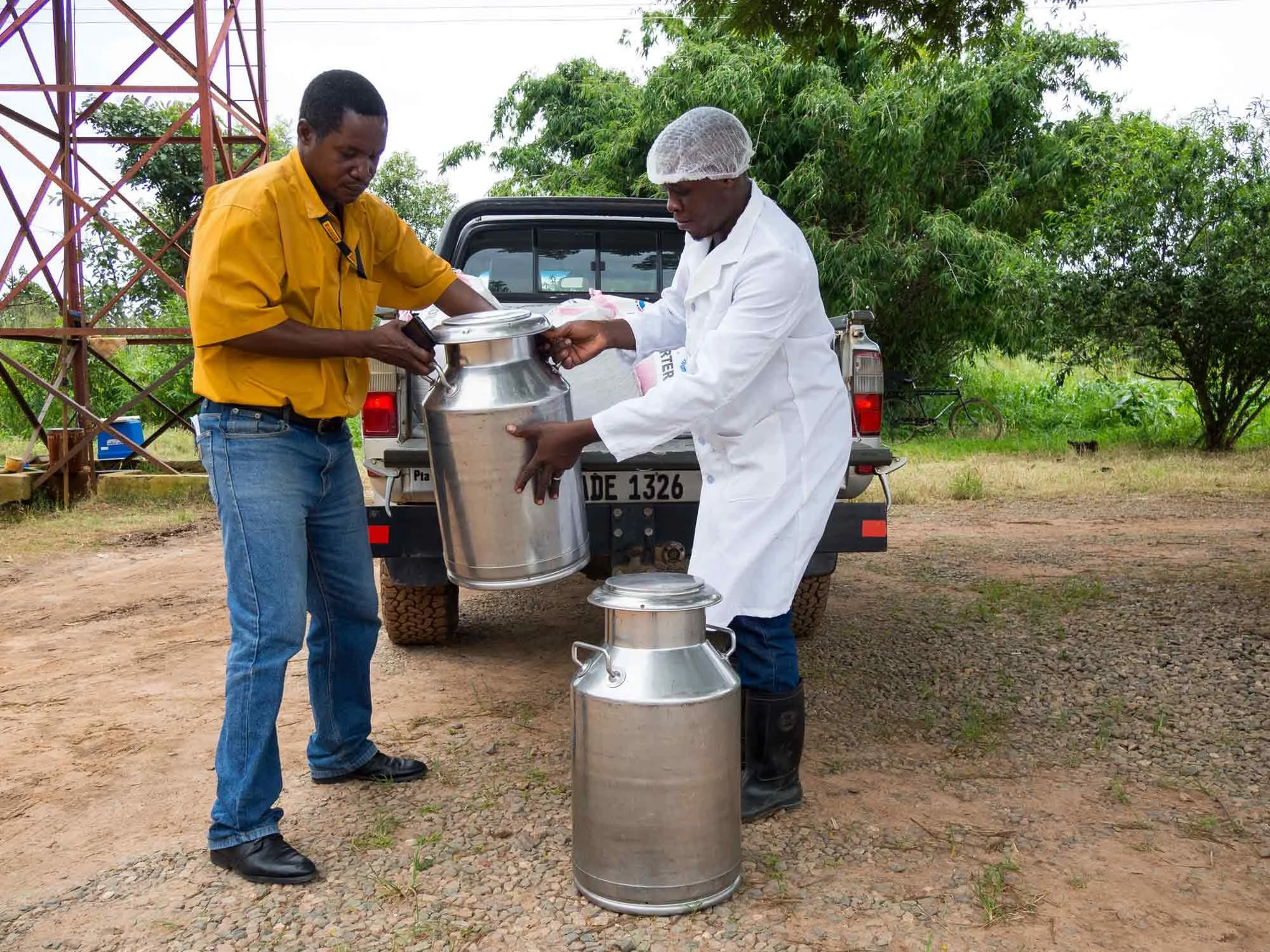
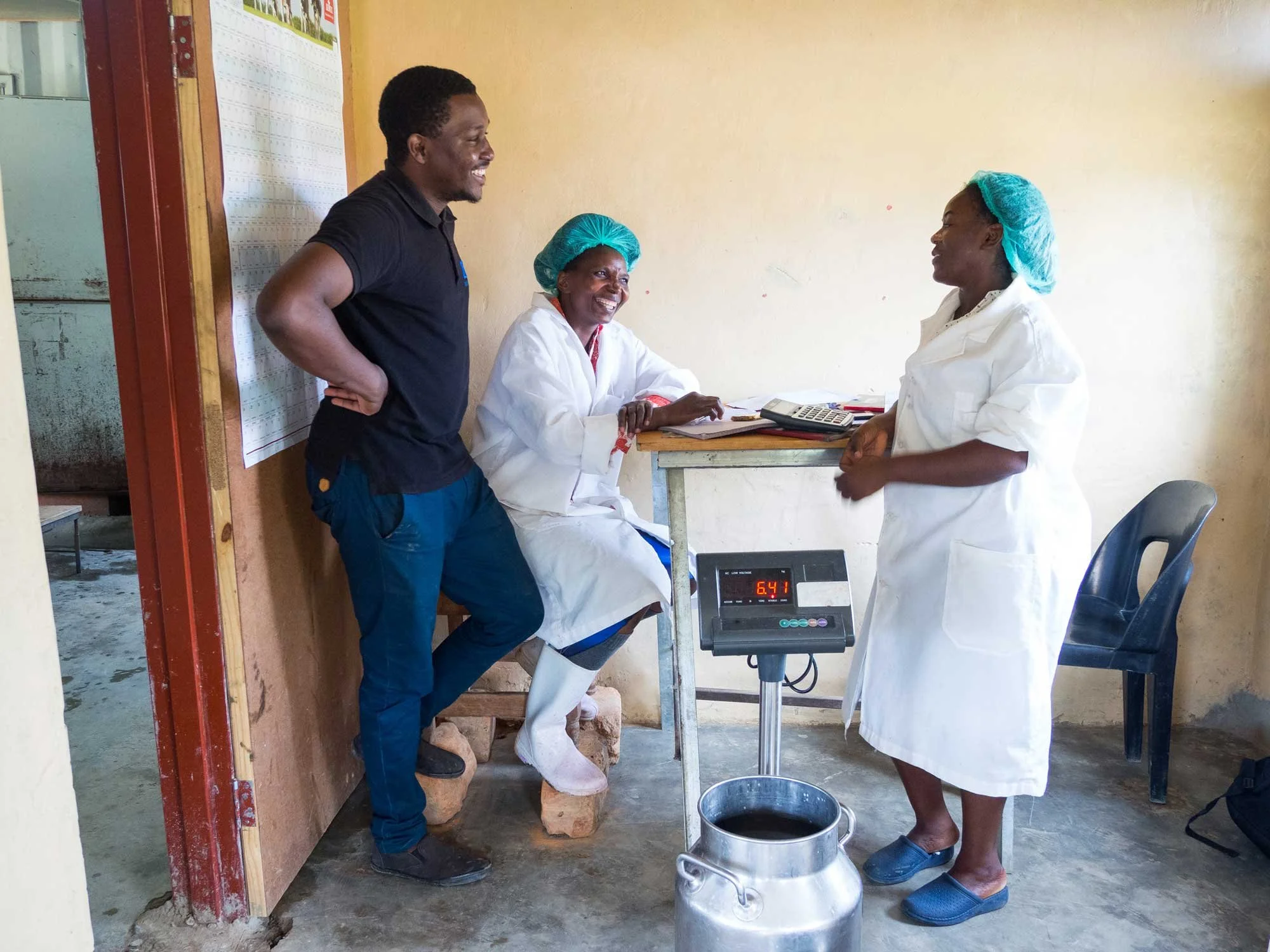
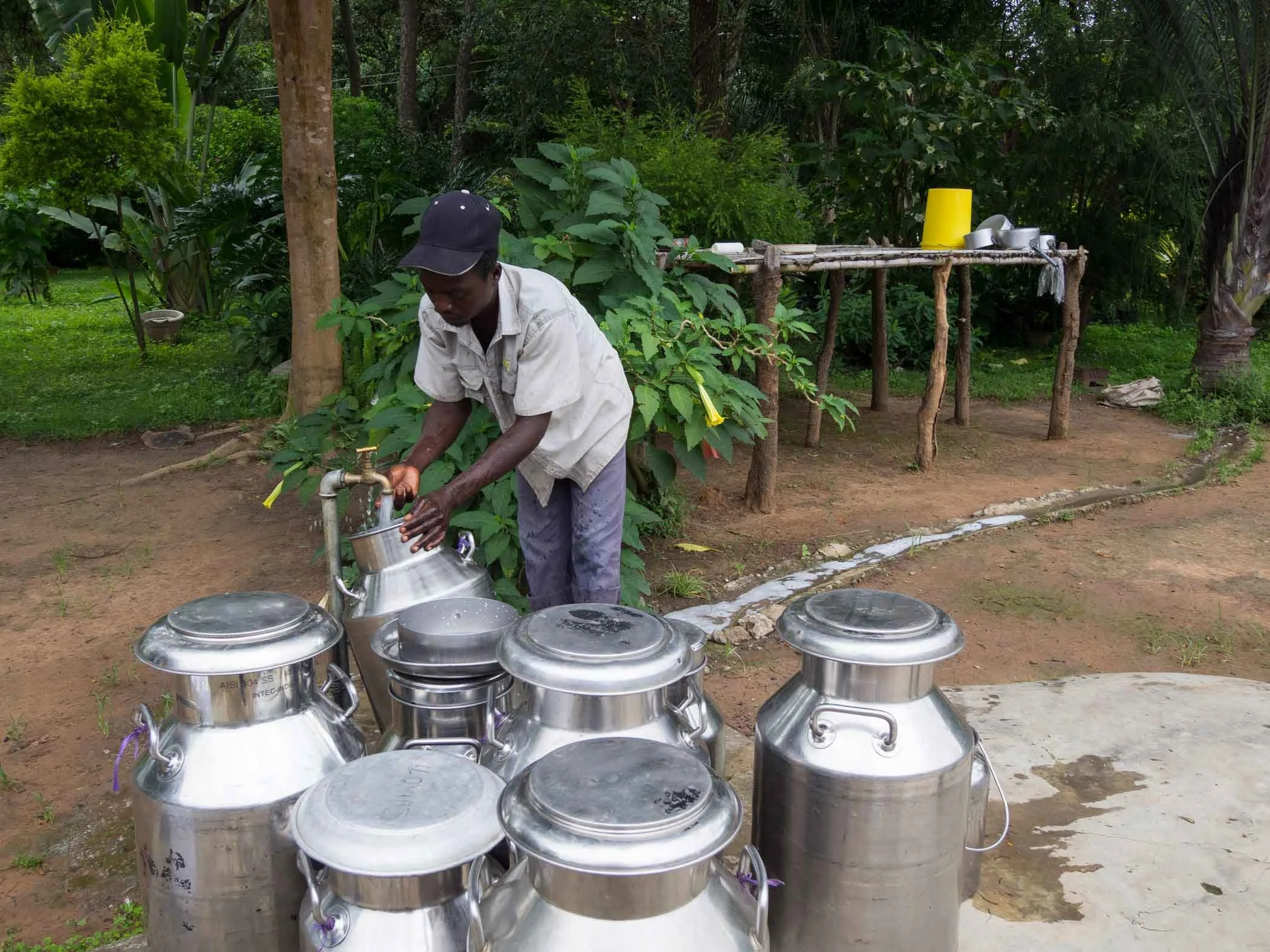
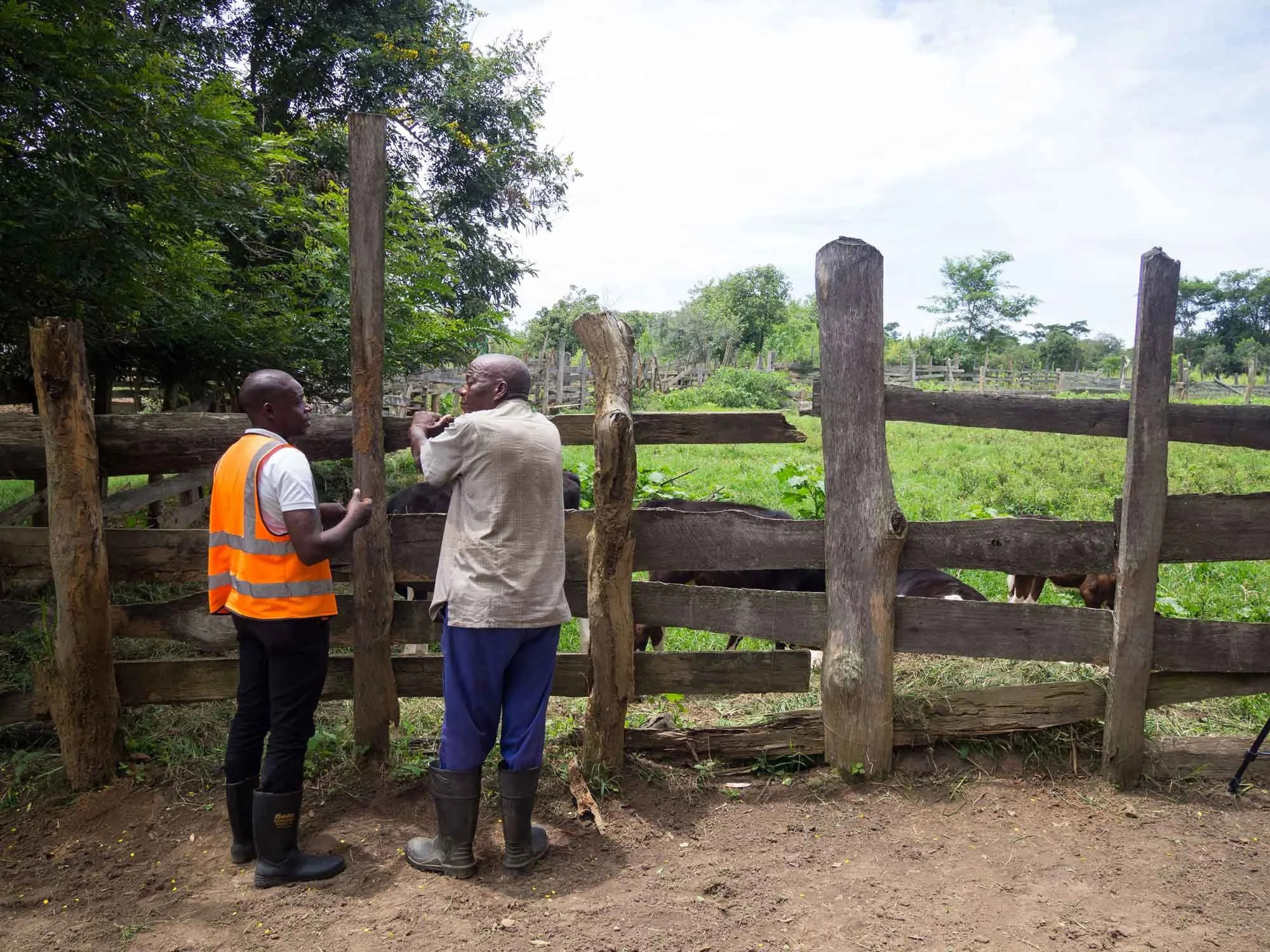
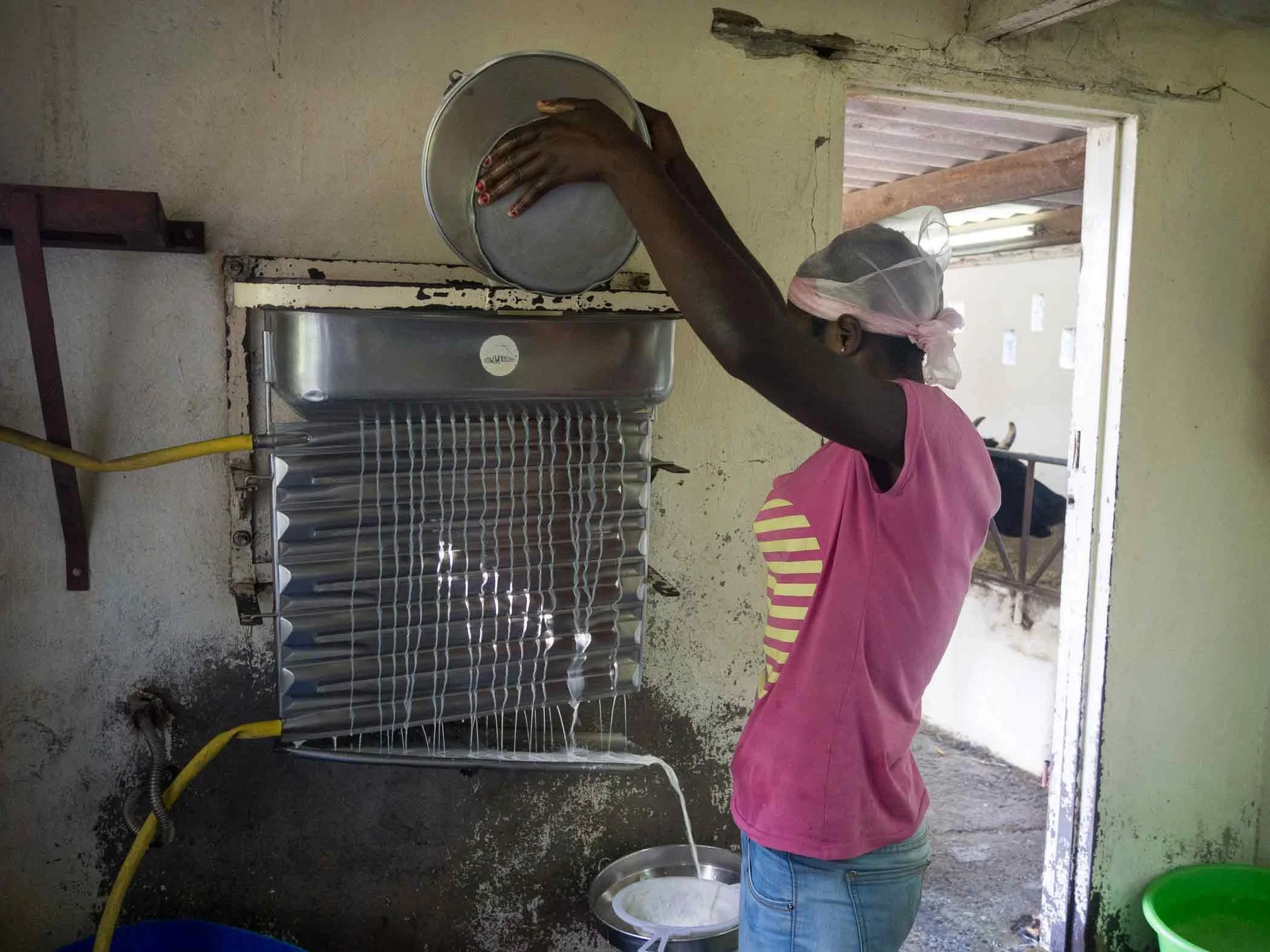
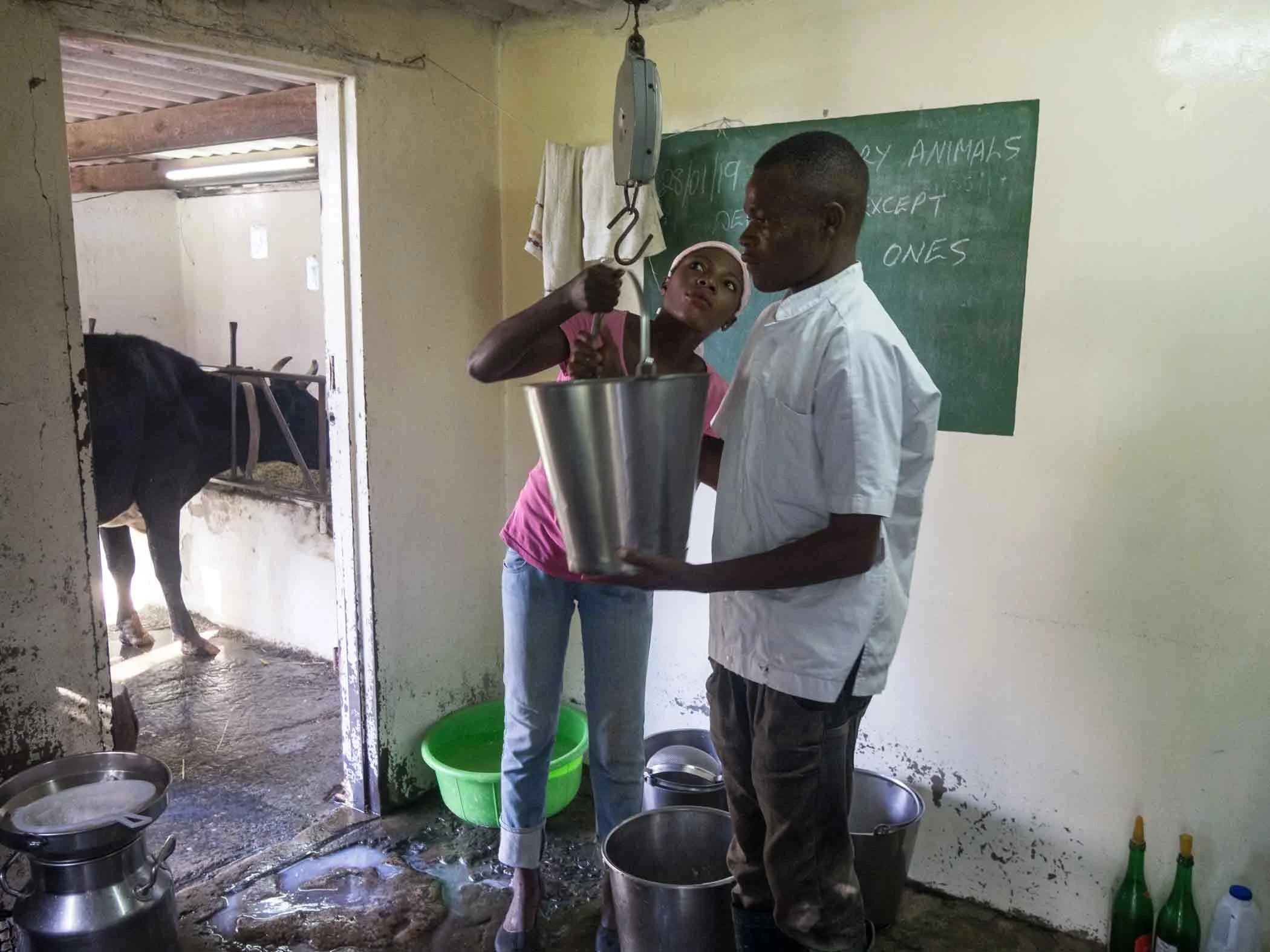
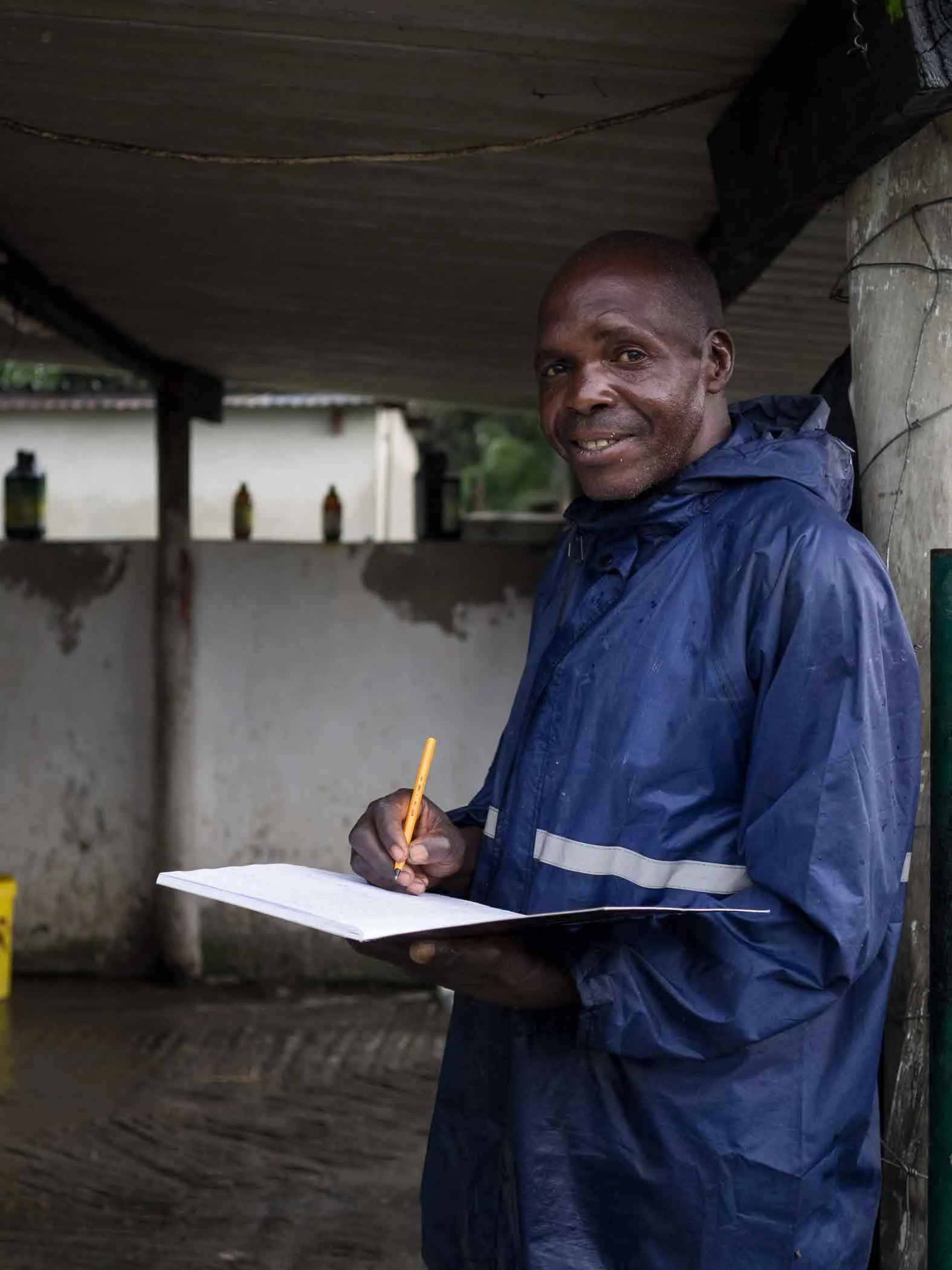
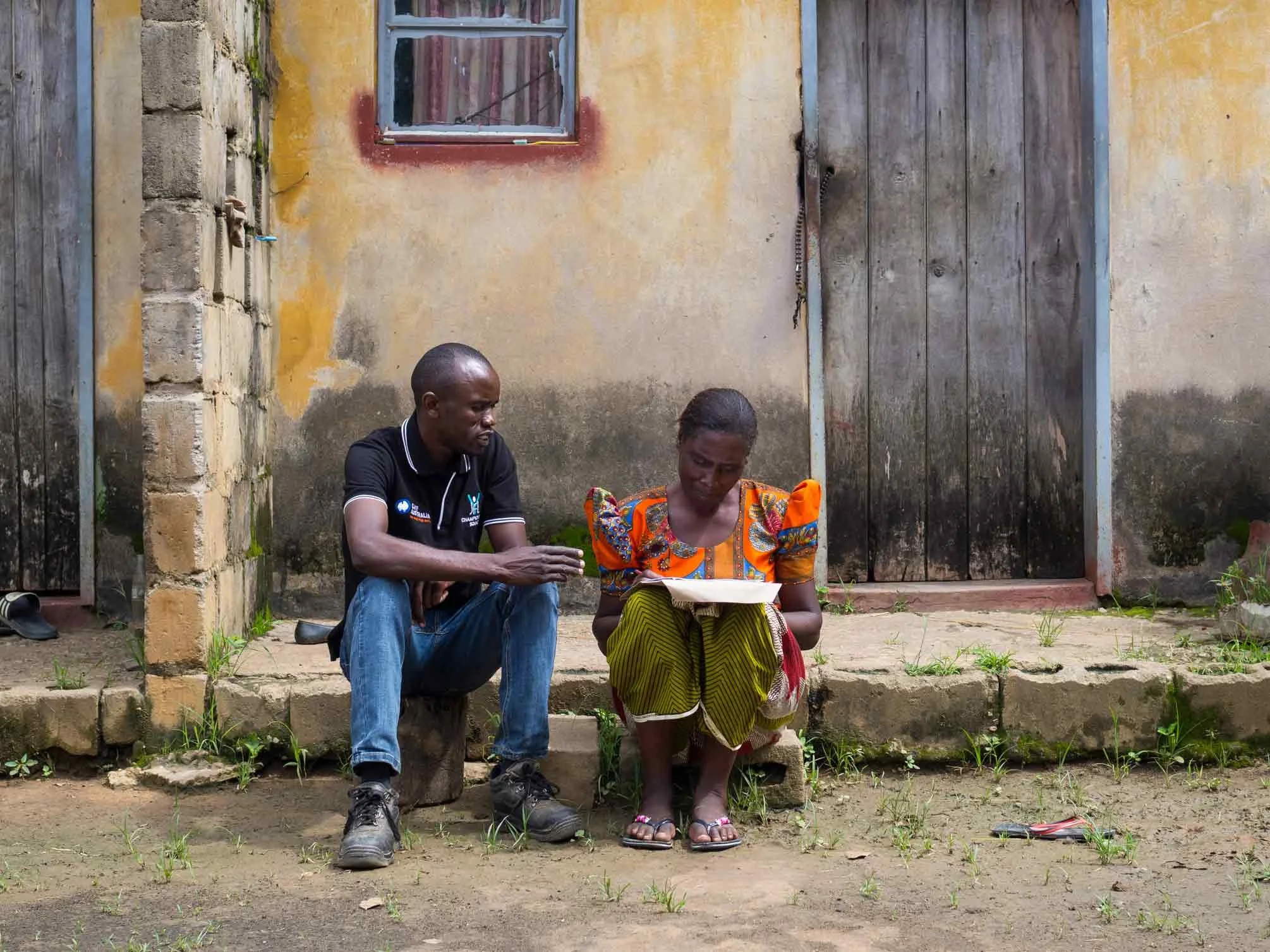
At the farm level, the programme delivered practical training in animal health, feeding, herd management and milk handling, supported by strengthened extension services. At the cooperative level, Prime focused on governance reform, financial management, quality assurance systems and member engagement.
The programme was delivered through a lean core team supported by local advisors and institutions, allowing rapid decision making and adaptation as conditions evolved. Strong relationships with government counterparts, processors and farmer organisations ensured alignment and sustained buy-in.
Monitoring, evaluation and learning were embedded throughout delivery, enabling the programme to adjust interventions in response to evidence and emerging challenges.

Delivery and outcomes
The programme worked with smallholder farmers, cooperative unions and processors across Central Province and the Copperbelt, Zambia’s two main dairy producing regions.
Key outcomes included:
Increased milk production and improved milk quality at smallholder level
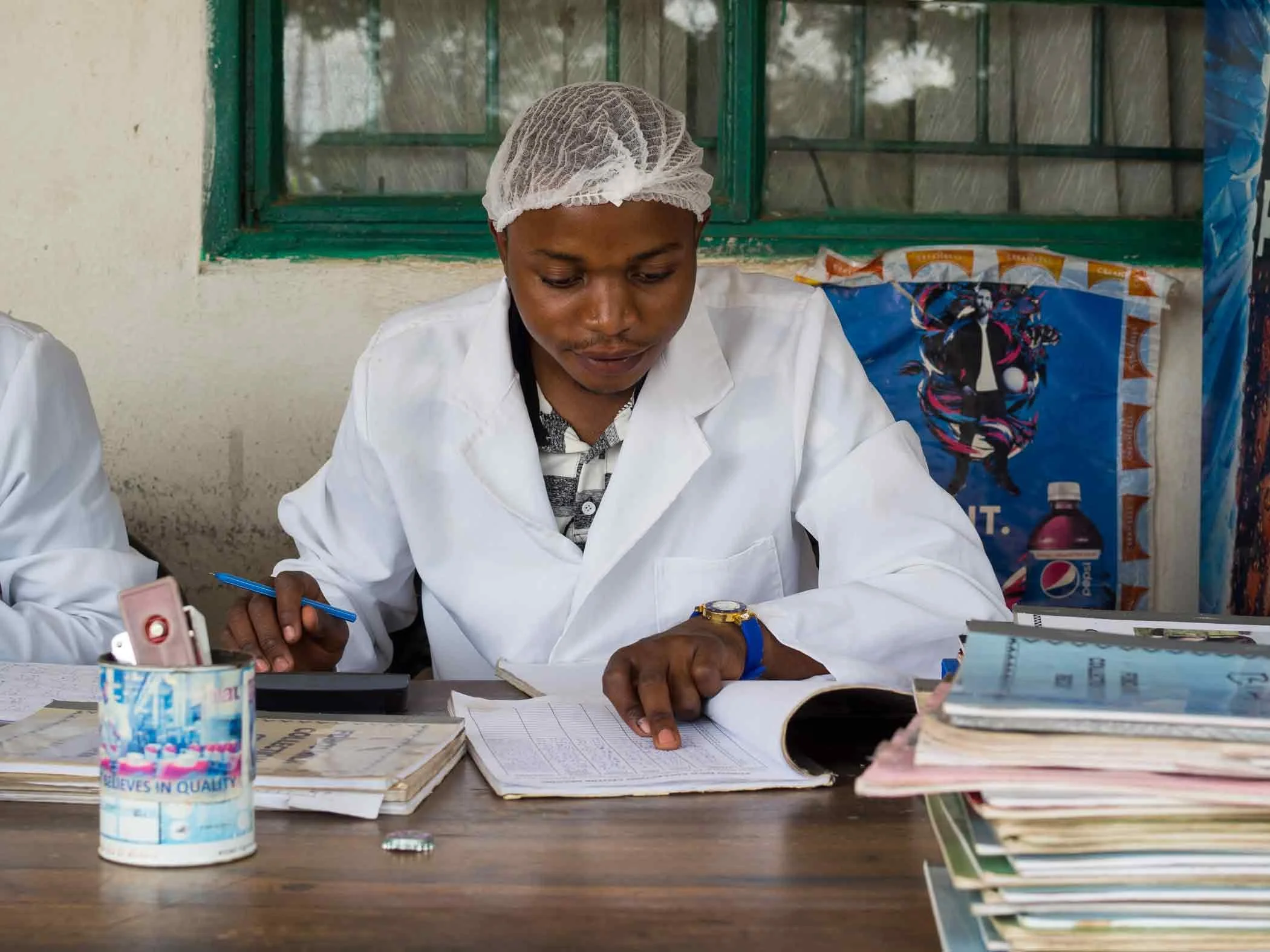
Strengthened cooperative governance, financial controls and service delivery
Improved confidence among processors to source milk from smallholder suppliers
Enhanced technical capability within government and industry extension services
The programme successfully increased the volume of locally produced milk entering formal supply chains, improving both farmer incomes and processor efficiency.
Social and economic impact
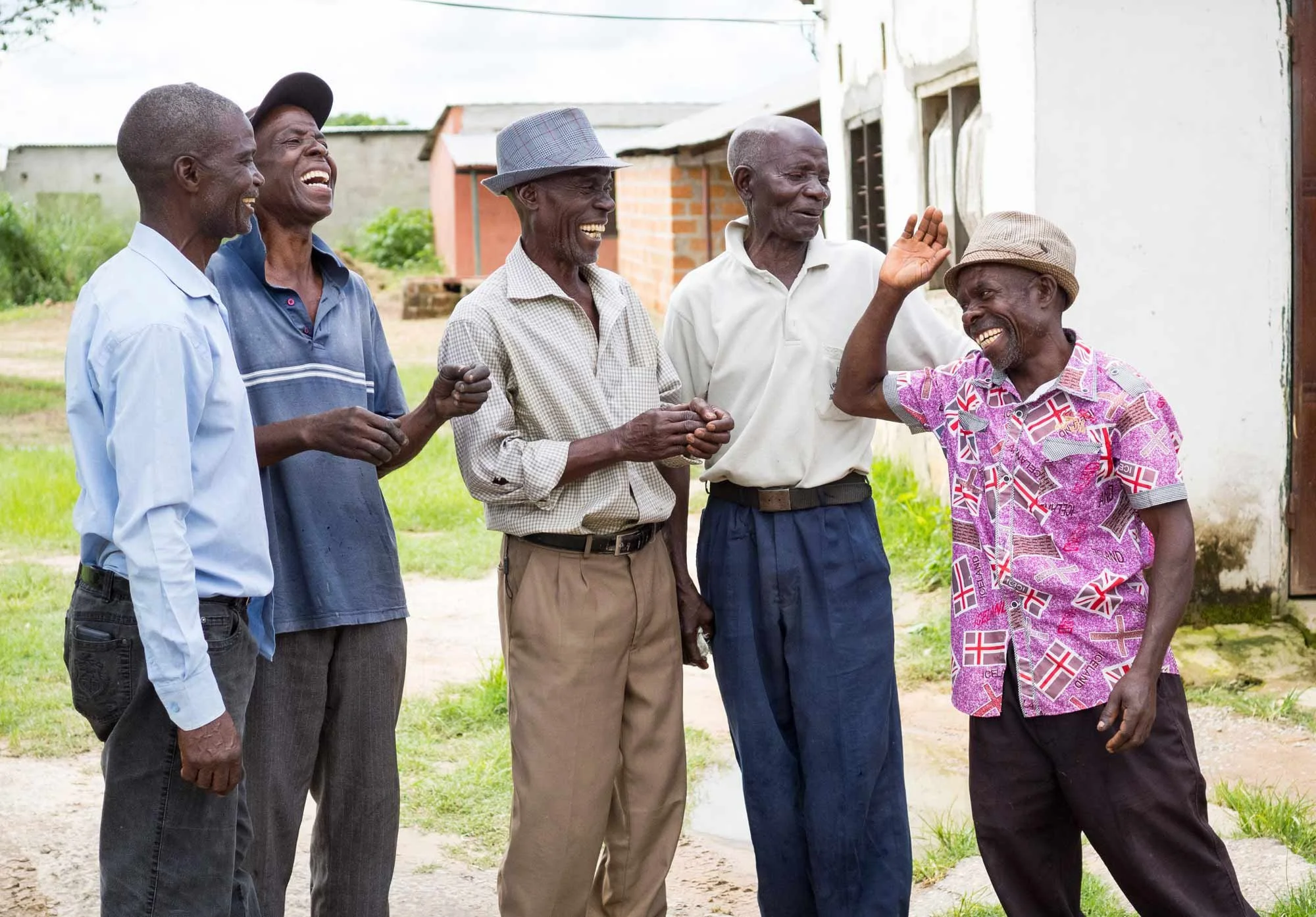
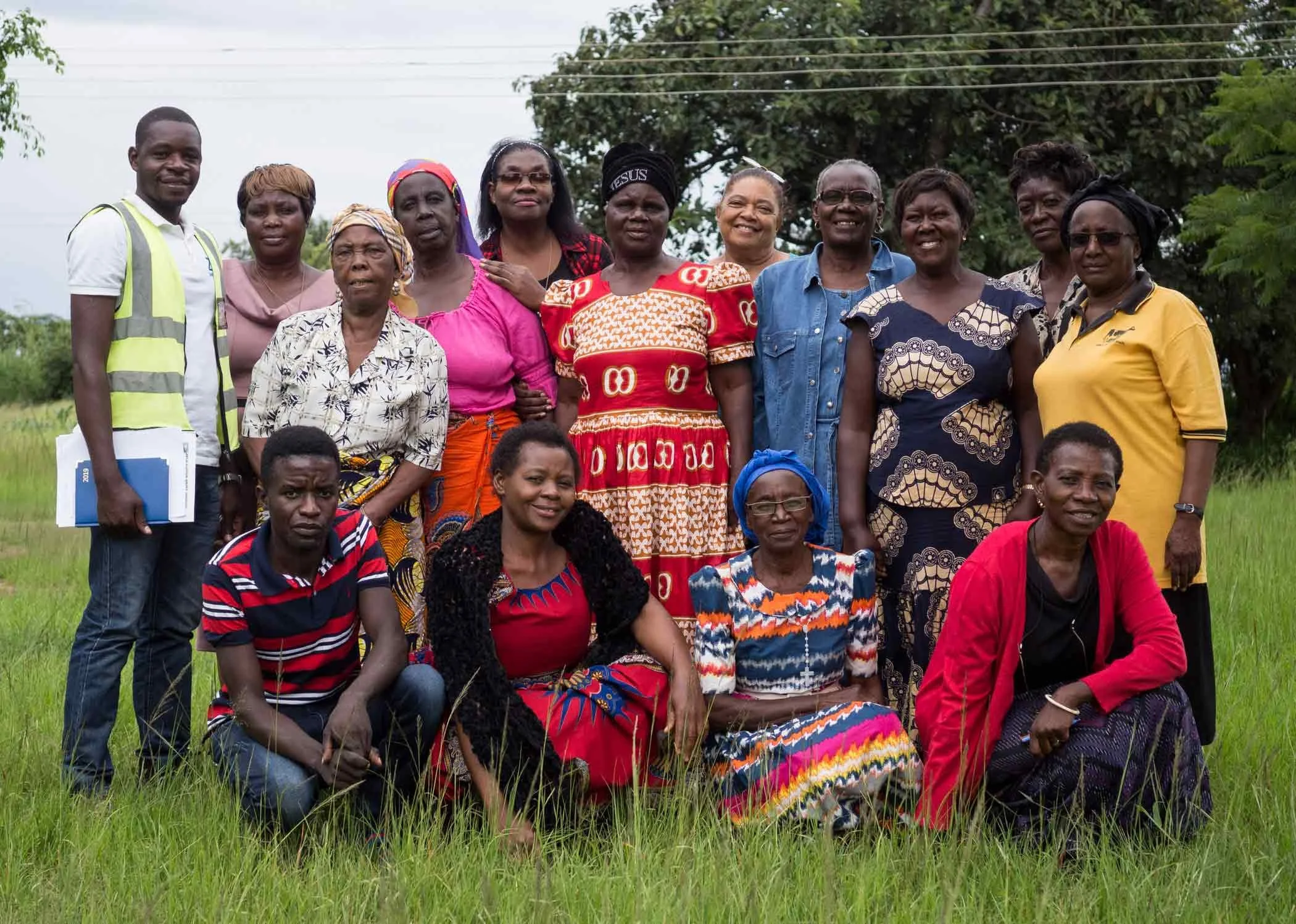
Higher and more reliable milk incomes contributed directly to improved household livelihoods and food security for participating farmers. Women, who play a significant role in smallholder dairy production, benefited from improved access to training, income and cooperative participation.
At a sector level, increased domestic milk supply reduced reliance on imported dairy products, supporting national food security and economic resilience.
The programme also strengthened institutional capacity within Zambia’s dairy sector, helping to ensure that gains continued beyond the programme period.
Why it worked
The programme succeeded because Prime Consulting treated dairy development as a commercial system, not a series of disconnected technical activities.
Prime’s ability to work across the full project lifecycle, from design through to delivery and evaluation, reduced handovers and ensured clear accountability. A flexible delivery model allowed interventions to be refined as farmer behaviour, market conditions and institutional performance evolved.
Strong partnerships with local institutions ensured that knowledge and ownership were embedded locally, rather than remaining dependent on external support.
Impact at a glance
6,000+ smallholder dairy farmers supported across Central Province and the Copperbelt
18 dairy cooperatives strengthened and linked to commercial processors
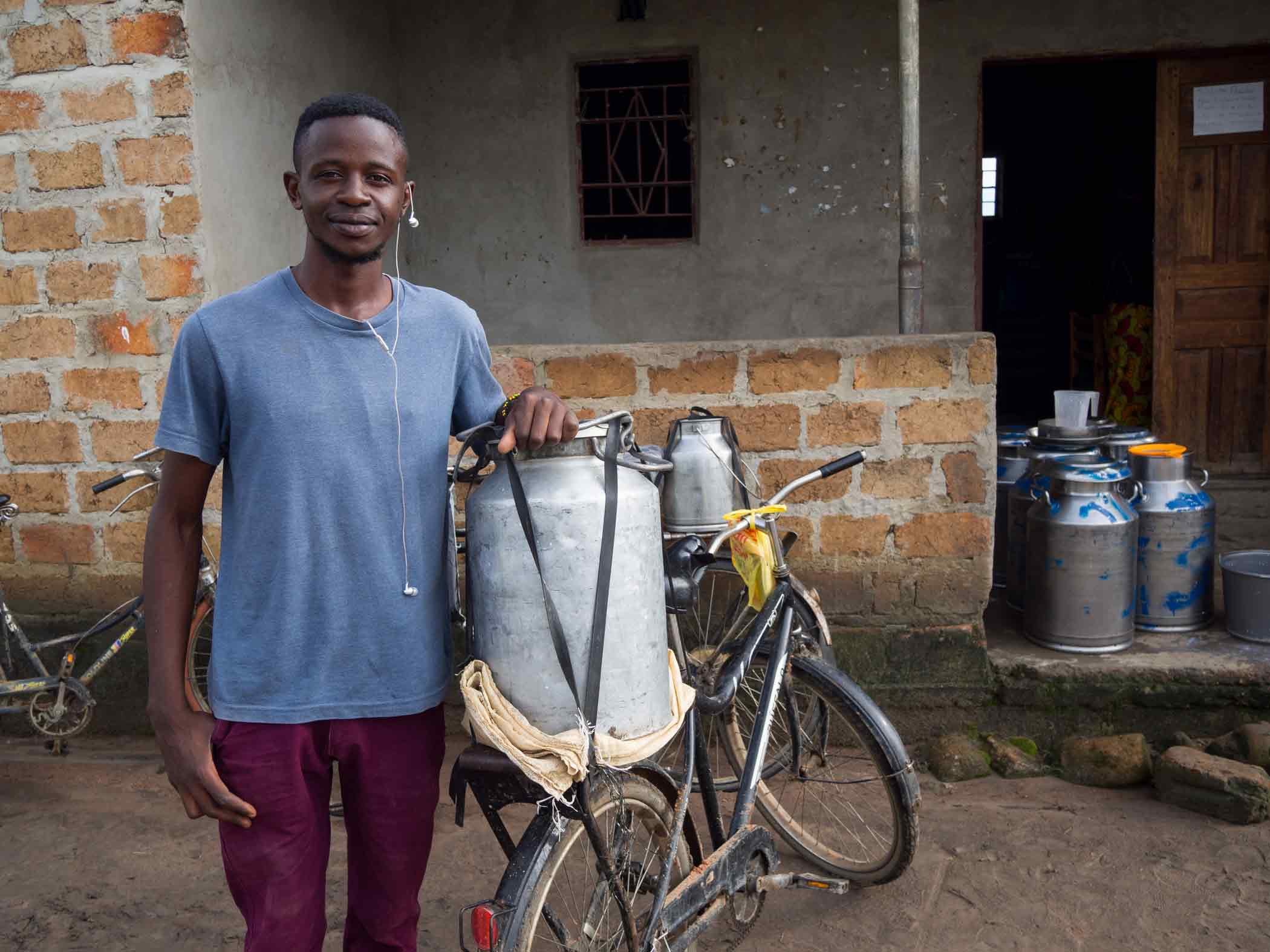
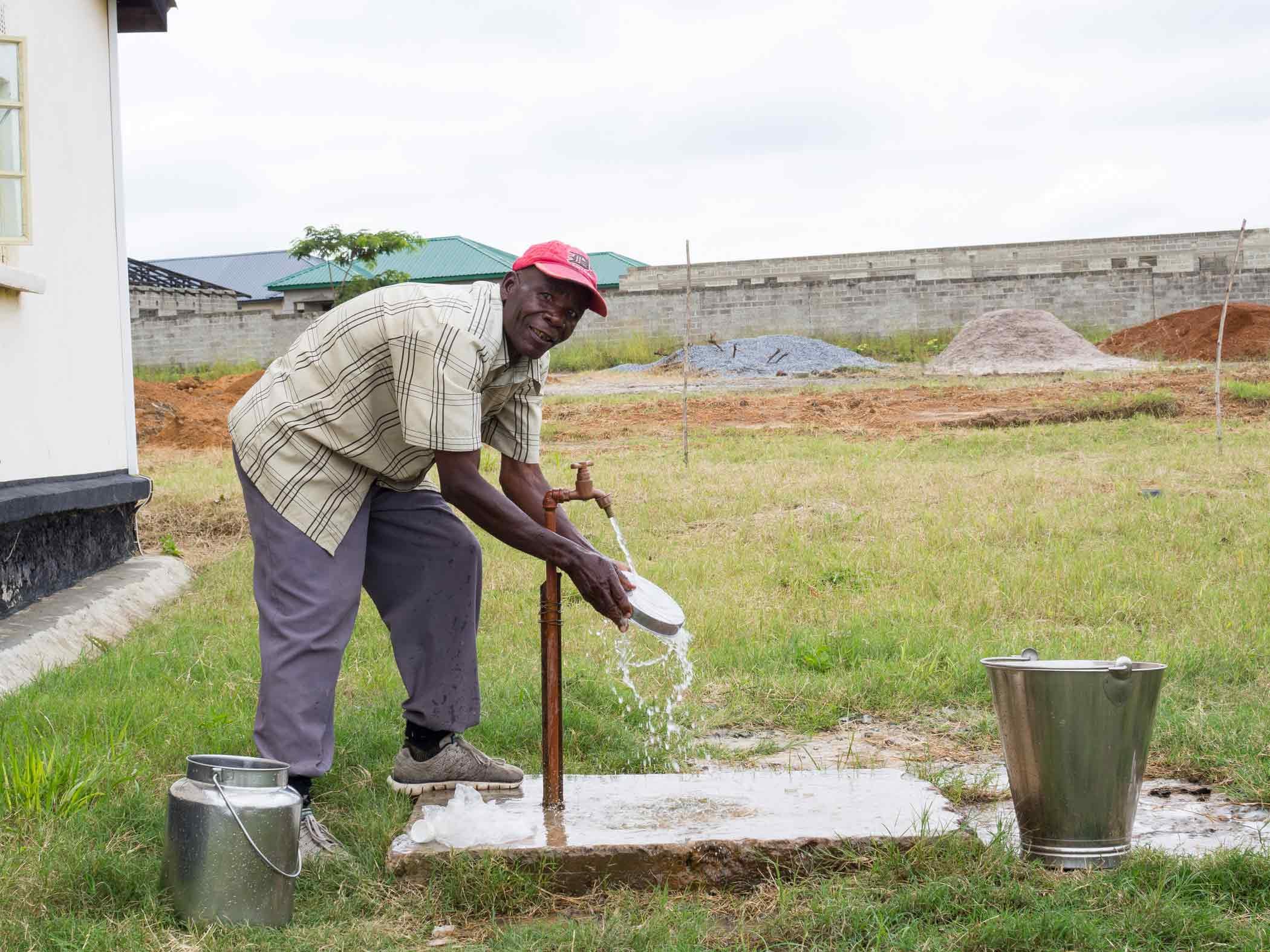
12 milk collection and bulking centres established or upgraded
30–40 percent increase in average daily milk production among participating farmers
25–50 percent increase in household dairy incomes
40+ percent reduction in milk rejected due to quality issues
250+ training and extension activities delivered over five years
80+ local extension officers trained and embedded in the sector