
Case study
Blended eLearning for Paravet Workforce Development – Fiji and Vanuatu
Building animal health capability through flexible, locally grounded training
Client: Pacific Community (SPC)
Region: Fiji and Vanuatu, Pacific Islands
Year: 2021
Prime Consulting Role: Instructional design, veterinary technical leadership, eLearning development, programme delivery
Overview
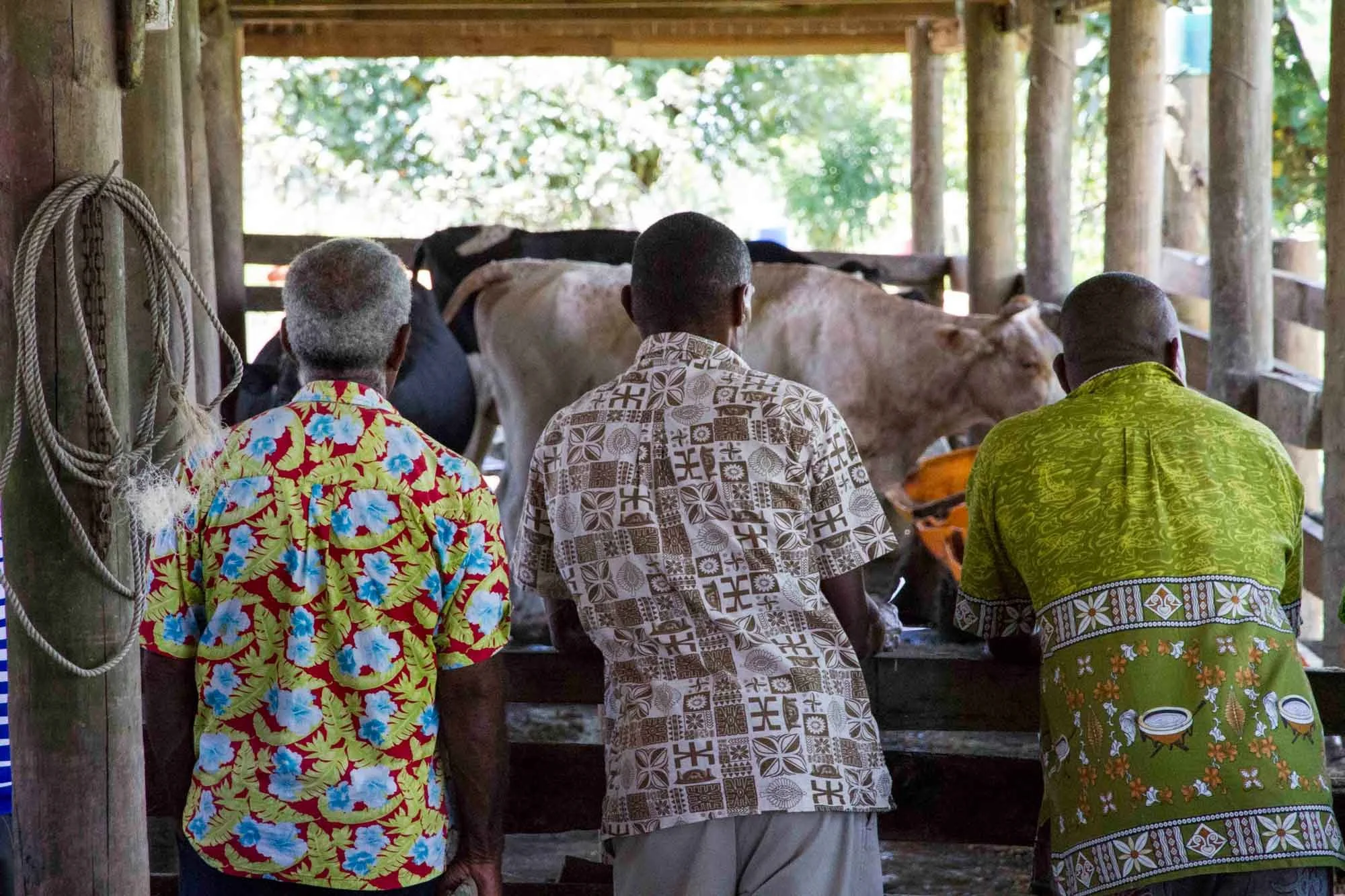
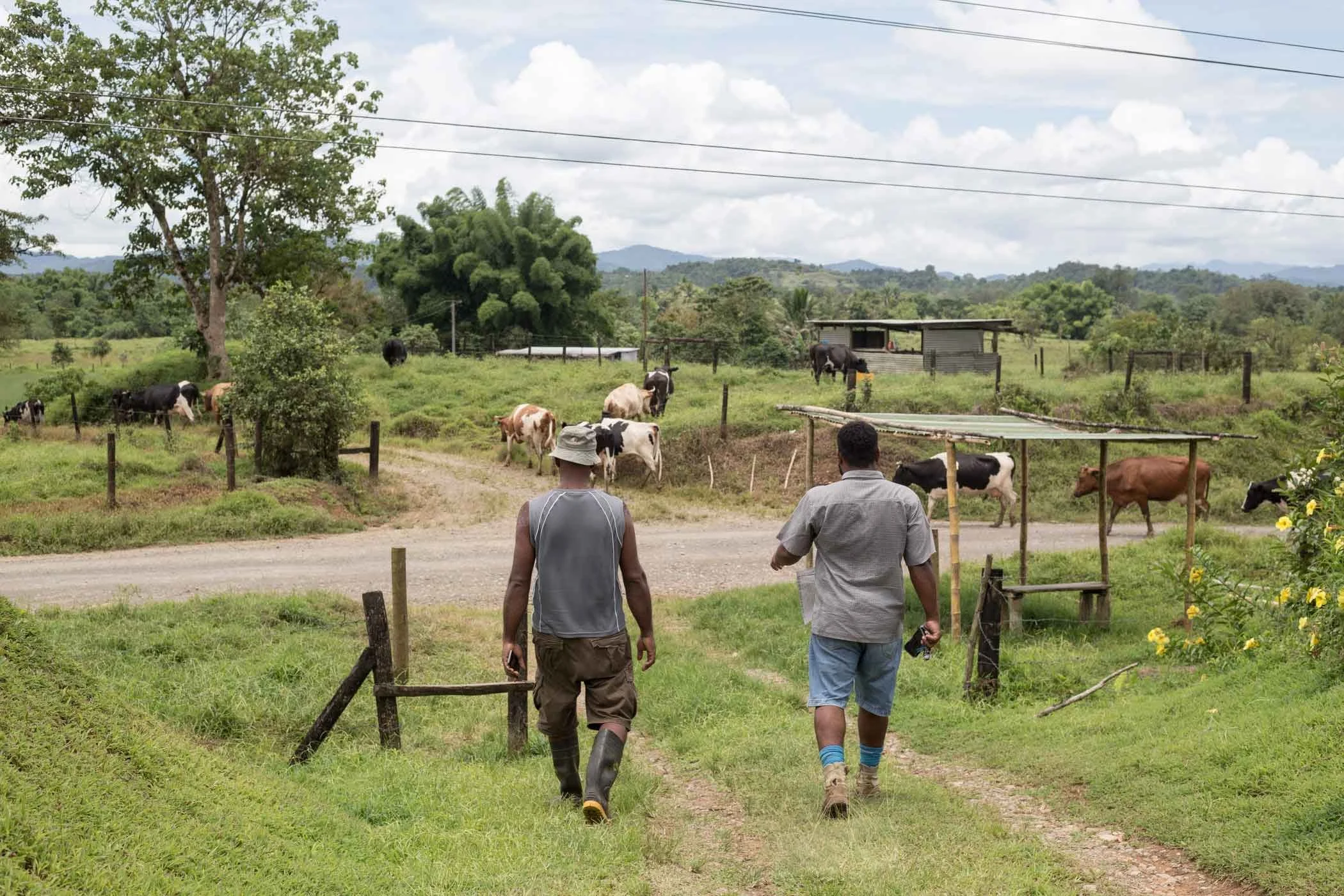
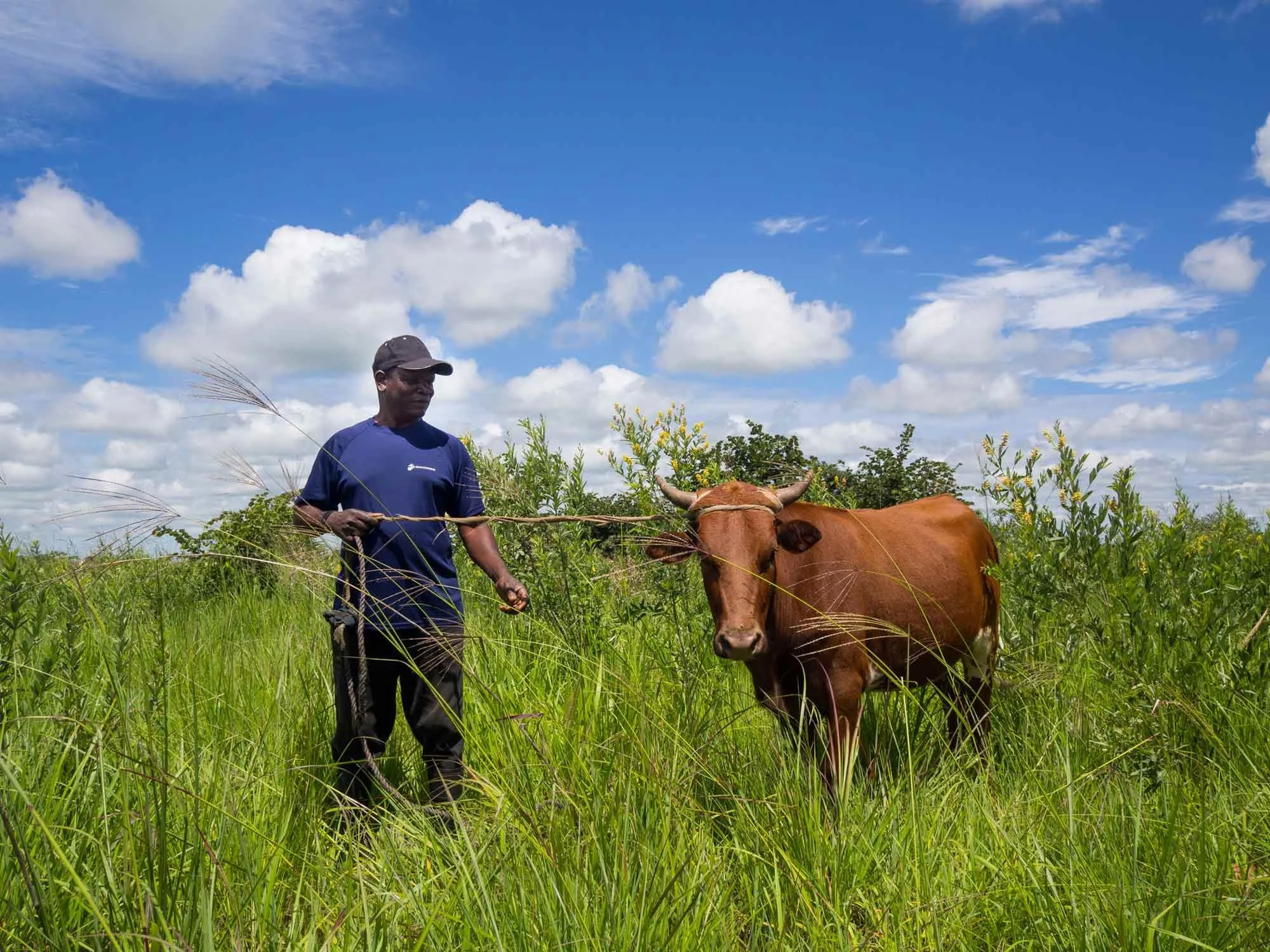
Livestock play a critical role in food security, livelihoods and community wellbeing across Pacific Island countries. However, access to trained para-veterinary professionals is often constrained by geography, limited training capacity and reliance on face-to-face delivery models.
Prime Consulting partnered with the Pacific Community to design and deliver a proof-of-concept blended eLearning programme for para-veterinary service providers in Fiji and Vanuatu. The pilot demonstrated how modern digital learning platforms could be adapted to Pacific contexts to strengthen animal health, welfare and food safety outcomes, while significantly expanding access to training.
The programme combined online learning, field-based practice and assessment, creating a flexible and scalable model for workforce development in the region’s livestock sectors.
The challenge
SPC had developed a comprehensive 14-week para-veterinary training programme over several years, which had been delivered successfully through in-person workshops across multiple Pacific Island countries. However, growing demand for training, combined with COVID-19 travel restrictions, made it increasingly difficult to scale delivery.
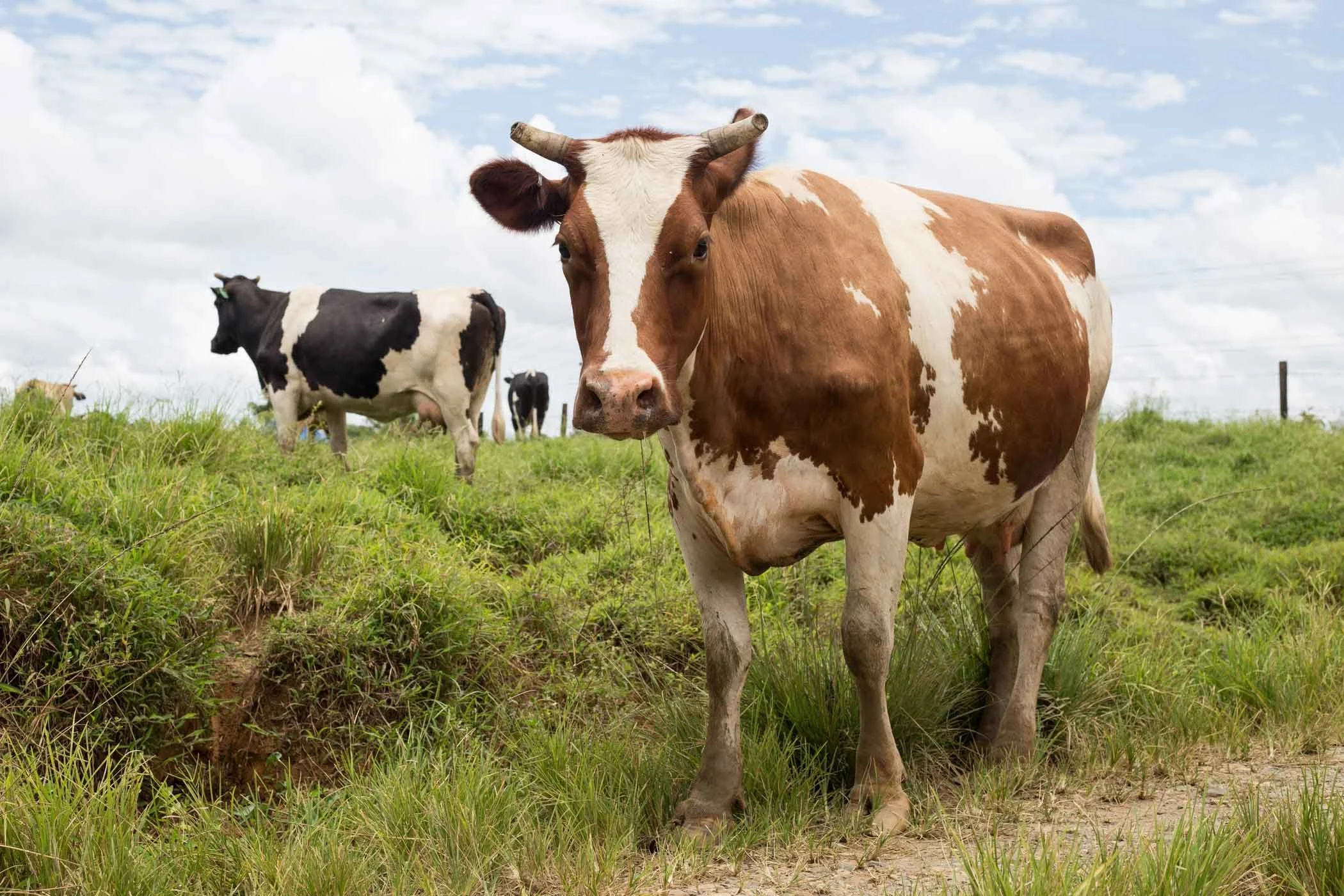
At the same time, the region’s livestock industries faced persistent challenges, including poor animal nutrition, inadequate housing and facilities, limited genetic diversity, environmental health risks and animal welfare concerns. These issues heightened the need for a well-trained, widely distributed para-veterinary workforce capable of supporting producers at the community level.
The challenge was to convert an established, workshop-based programme into a digitally enabled training system that maintained quality, relevance and practical application, while remaining accessible in low-connectivity environments.

The approach
Prime Consulting adopted a blended learning approach, using Moodle, an open-source learning management system, as the foundation for the pilot. Rather than simply digitising existing materials, the programme was restructured to suit online delivery while retaining strong links to hands-on field practice.
The pilot focused on pre-slaughter inspection procedures, animal welfare and transport, areas critical to food safety and meat quality in both commercial and community slaughter contexts.
Prime assembled a multidisciplinary team combining vocational education expertise, instructional design excellence and deep regional veterinary knowledge. Training content was designed to be modular, practical and mobile-friendly, allowing learners to engage via smartphones or laptops using available internet or data connections.
The programme integrated online learning activities, instructional videos, field-based practice and online assessment, ensuring skills could be applied directly in real-world settings.
Delivery and outcomes
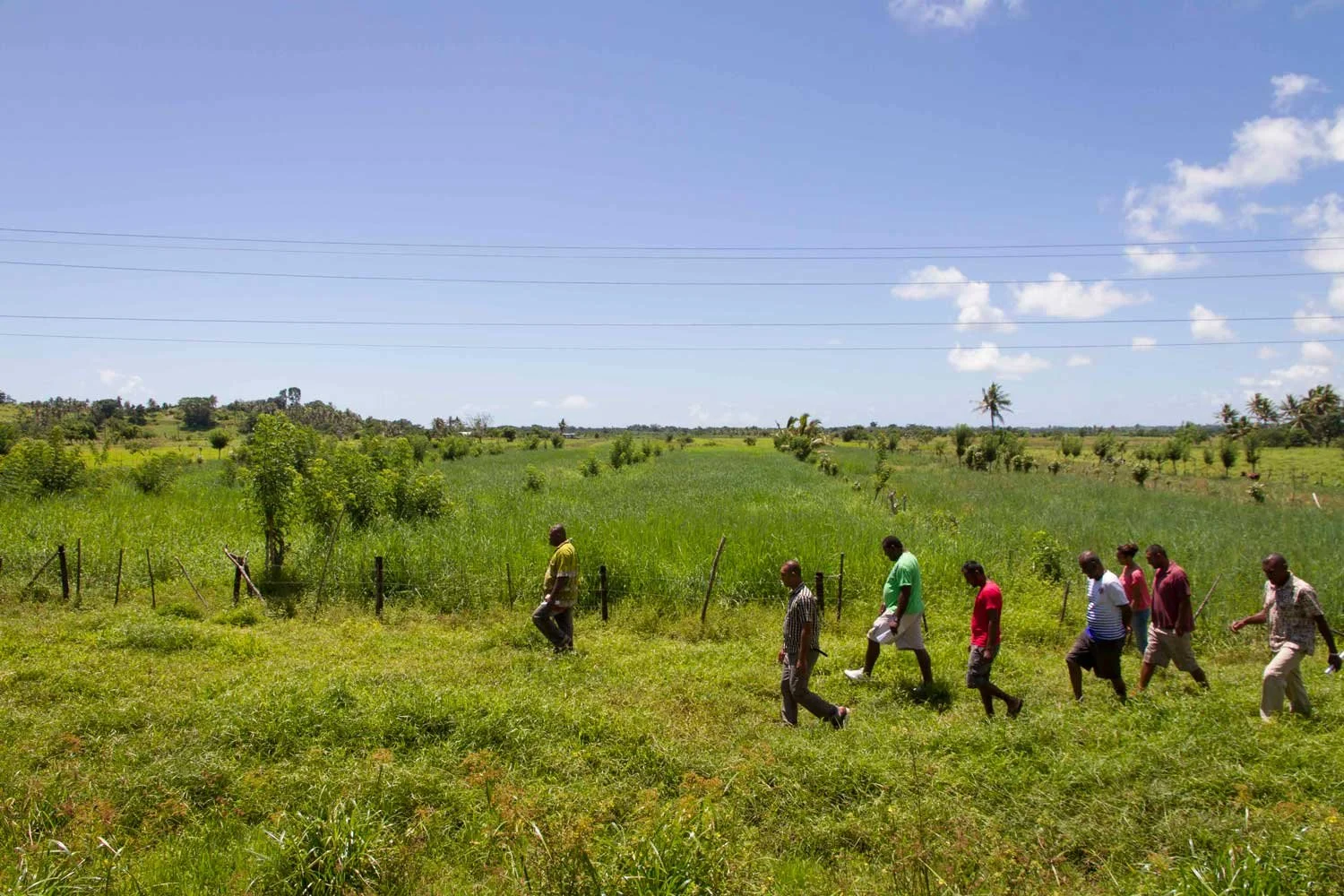
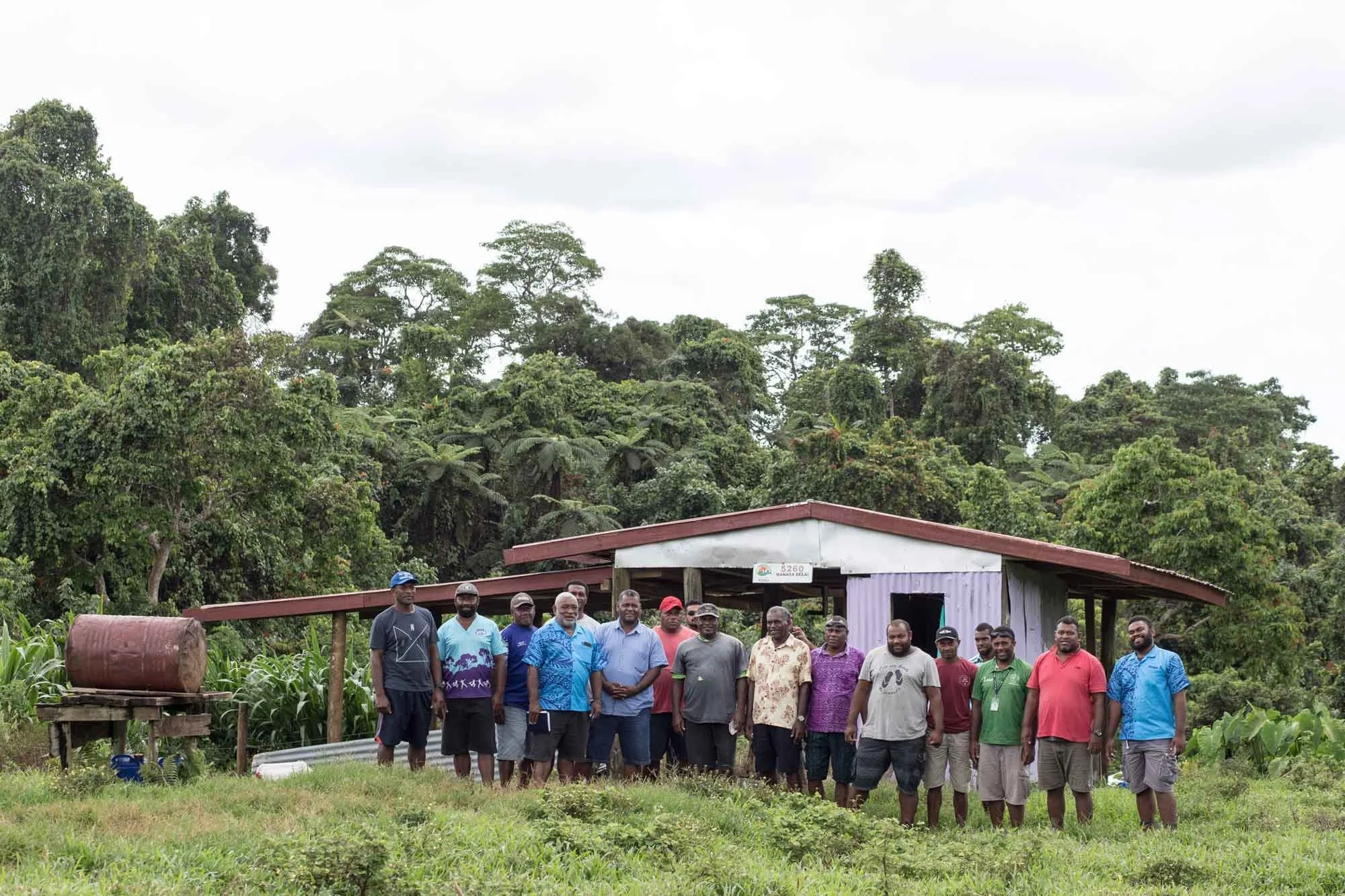
The pilot was delivered across Fiji and Vanuatu, allowing SPC and Prime to test the model in different operating contexts and gather structured feedback from participants.
Key outcomes included:
Successful conversion of a face-to-face para-vet training programme into a blended digital format
Increased accessibility to training despite travel and mobility constraints
Positive learner engagement with online content, videos and assessments
Demonstrated potential to scale training delivery across additional Pacific Island countries
The pilot provided SPC with a working proof of concept to guide future investment in e-learning and digital extension services for the livestock sector.
Social and economic impact
Strengthening para-veterinary capability supports healthier livestock, safer meat supply chains and improved food security outcomes across Pacific communities.
By enabling training to be delivered remotely, the programme reduced barriers for learners in geographically dispersed or resource-constrained settings. It also supported the development of community-based para-vets with the skills to assist producers at the grassroots level, including in home slaughter contexts where formal inspection capacity is limited.
The pilot demonstrated how digital tools can complement traditional extension services, improving resilience and continuity of training delivery during periods of disruption.
Why it worked
The programme succeeded because Prime Consulting combined technical, educational and regional expertise within a single, integrated delivery team.
Prime’s flexible and responsive approach allowed the training model to be adapted quickly to COVID-related constraints, while maintaining quality and practical relevance. Senior specialists remained closely involved throughout design and delivery, ensuring decisions were pragmatic and grounded in real-world conditions.
By working in partnership with SPC and local advisors, Prime ensured the programme reflected Pacific livestock systems, learning styles and connectivity realities, creating a model that is both scalable and locally owned.

Impact at a glance
14-week para-veterinary training programme digitised and modernised
60+ paravets enrolled across Fiji and Vanuatu during pilot phase
8 technical training modules converted to blended eLearning delivery
25+ instructional training videos produced
85+ percent learner completion rate
100 percent of participants assessed on practical field competencies
Reduced reliance on international travel for training delivery
Scalable model designed for rollout across Pacific Island Countries and Territories