
Case study
Delivery of Urgent Humanitarian Aid in Afghanistan
Rapid response in a fragile and high-risk environment
Client: ReliefAid
Region: Afghanistan, Central Asia
Year: 2021
Prime Consulting Role: Risk management, in-country logistics, local mobilisation, humanitarian delivery support
Overview
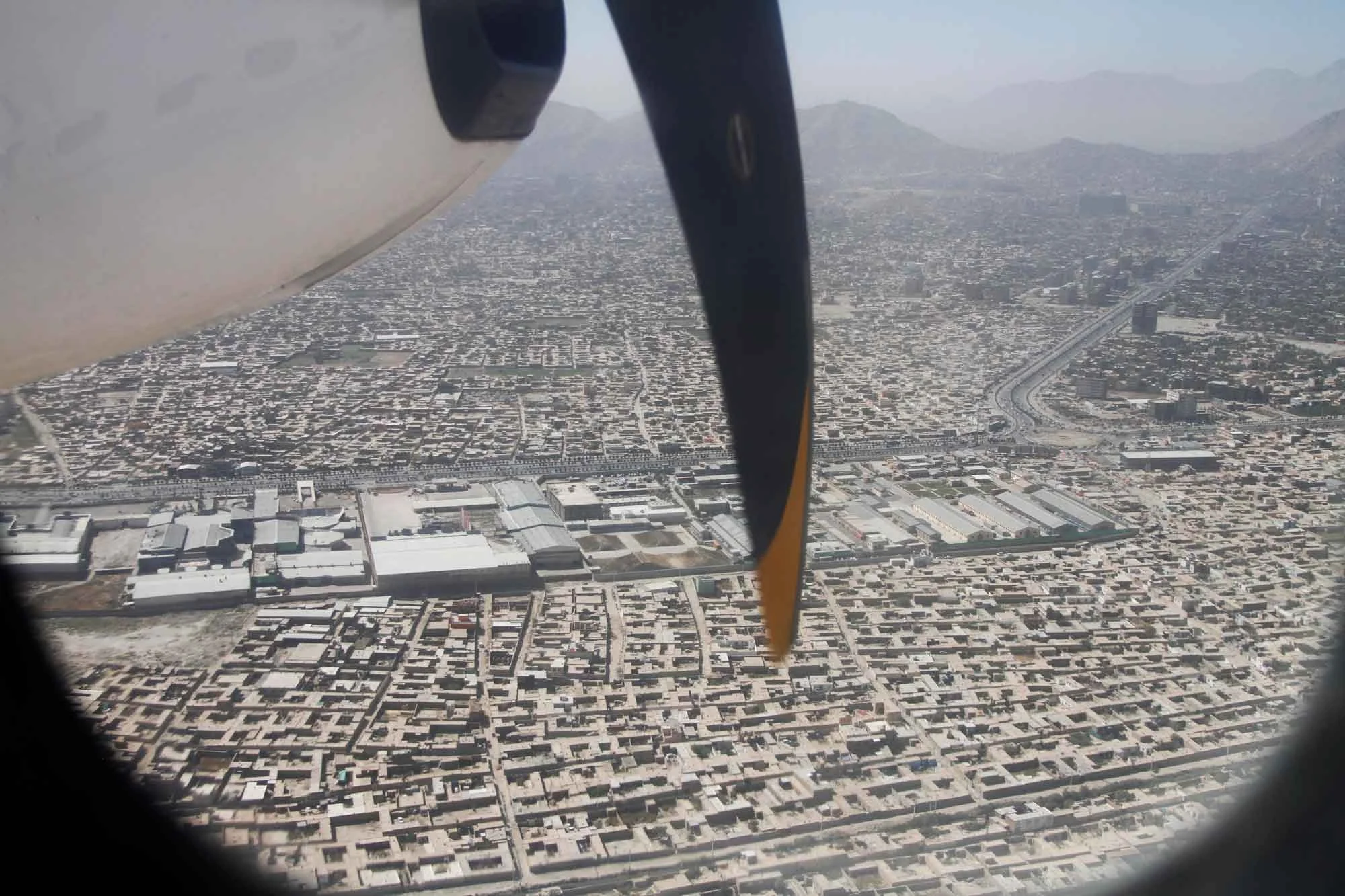
In August 2021, Afghanistan experienced a sudden and profound humanitarian crisis following the collapse of the former government and the Taliban takeover. Widespread displacement, food insecurity and disruption to basic services left thousands of families without shelter, income or reliable access to food.
Prime Consulting supported humanitarian organisation ReliefAid to deliver urgent food assistance to displaced families in Bamyan Province and Kabul. The assignment demonstrated Prime Consulting’s ability to operate safely, responsibly and effectively in fragile and conflict affected situations, mobilising quickly through trusted local networks while maintaining rigorous risk management and community engagement practices.
From the outset, the focus was on ensuring aid reached those most in need in an orderly, dignified and secure manner, despite extreme uncertainty on the ground.
The challenge
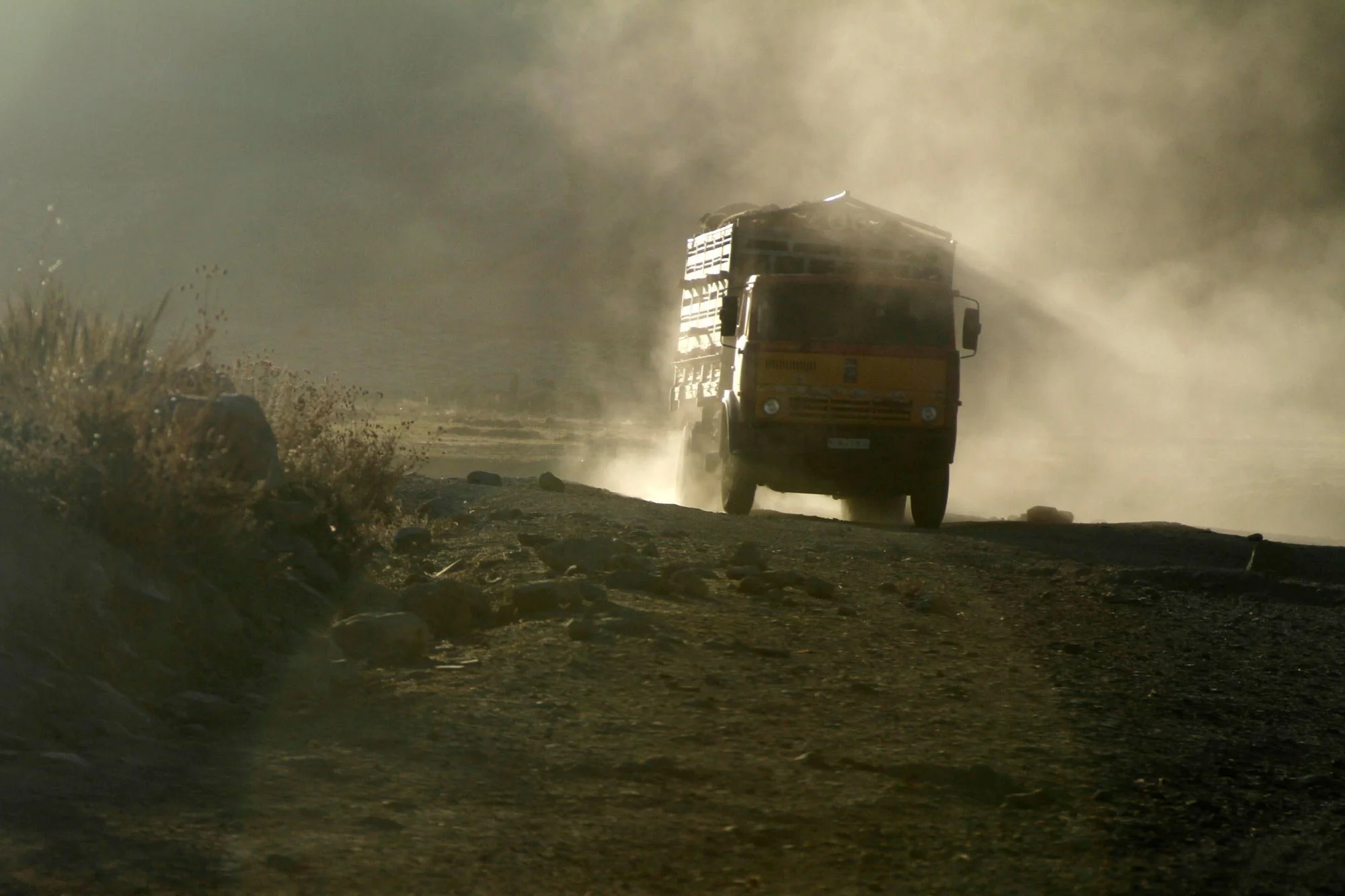
The operating environment in Afghanistan in late 2021 was highly volatile. Security conditions were rapidly evolving, supply chains were disrupted and many international organisations were withdrawing staff and suspending operations.
Displaced families were living in informal camps with limited shelter, food or access to clean water. Many had lost homes, livelihoods and family members. Winter conditions were approaching, compounding vulnerability for households already under extreme stress.
The challenge was to deliver humanitarian assistance quickly without compromising safety, neutrality or community trust. Aid distribution needed to be carefully managed to avoid disorder, ensure fairness and minimise risk to beneficiaries, local staff and partners.
The approach
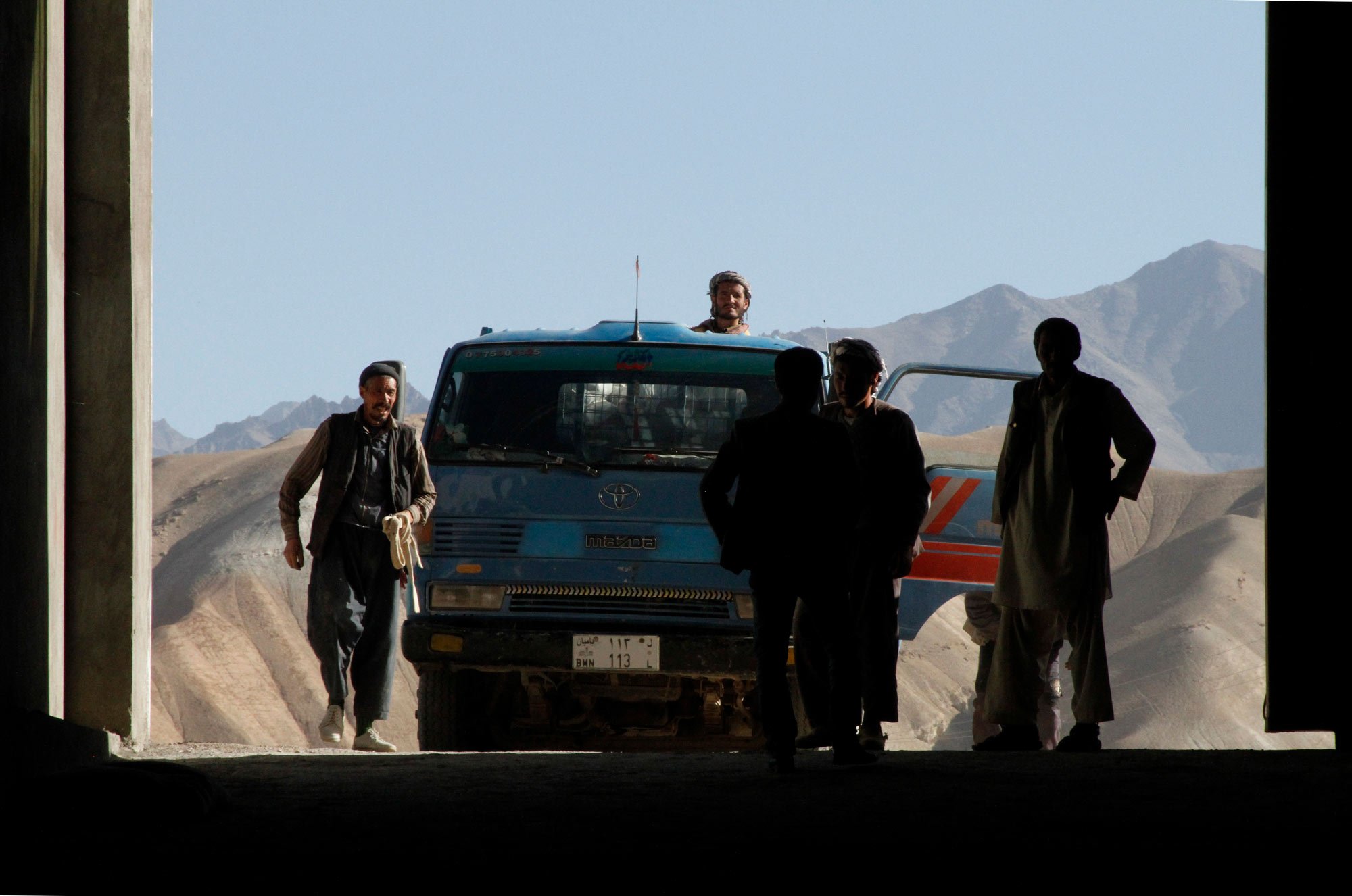
Prime Consulting worked alongside ReliefAid, drawing on long-established in-country networks, local personnel and real-time risk intelligence to support the delivery of emergency food kits.
Rather than deploying a large external footprint, Prime Consulting prioritised local mobilisation. Trusted Afghan staff and community leaders were engaged to support beneficiary identification, distribution planning and on-the-ground coordination. This approach enabled rapid response while maintaining cultural sensitivity and community acceptance.
Risk management was embedded throughout delivery. Movement planning, site selection and distribution processes were continuously assessed and adapted as conditions changed. Allocation was managed through a structured and transparent process, ensuring supplies were distributed to the most vulnerable households in a secure and orderly way.
The model reflected Prime Consulting’s ability to operate nimbly under pressure, combining humanitarian principles with practical logistics, local insight and disciplined decision-making.
Delivery and outcomes
Emergency food kits containing rice, beans and cooking oil were delivered to displaced families in Bamyan Province and Kabul. Each kit provided enough food to support a household for approximately four to six weeks.
Distribution was carried out in consultation with community representatives to ensure fairness, reduce tension and prioritise those most in need, including families headed by women, people with disabilities and households with young children.
Despite the security and logistical constraints, delivery was completed without incident. Aid reached families living in informal camps and temporary shelters at a time when other support mechanisms had largely ceased.
The intervention also helped stabilise conditions within camps by reducing immediate food insecurity and alleviating pressure on already strained community coping mechanisms.
Social and economic impact
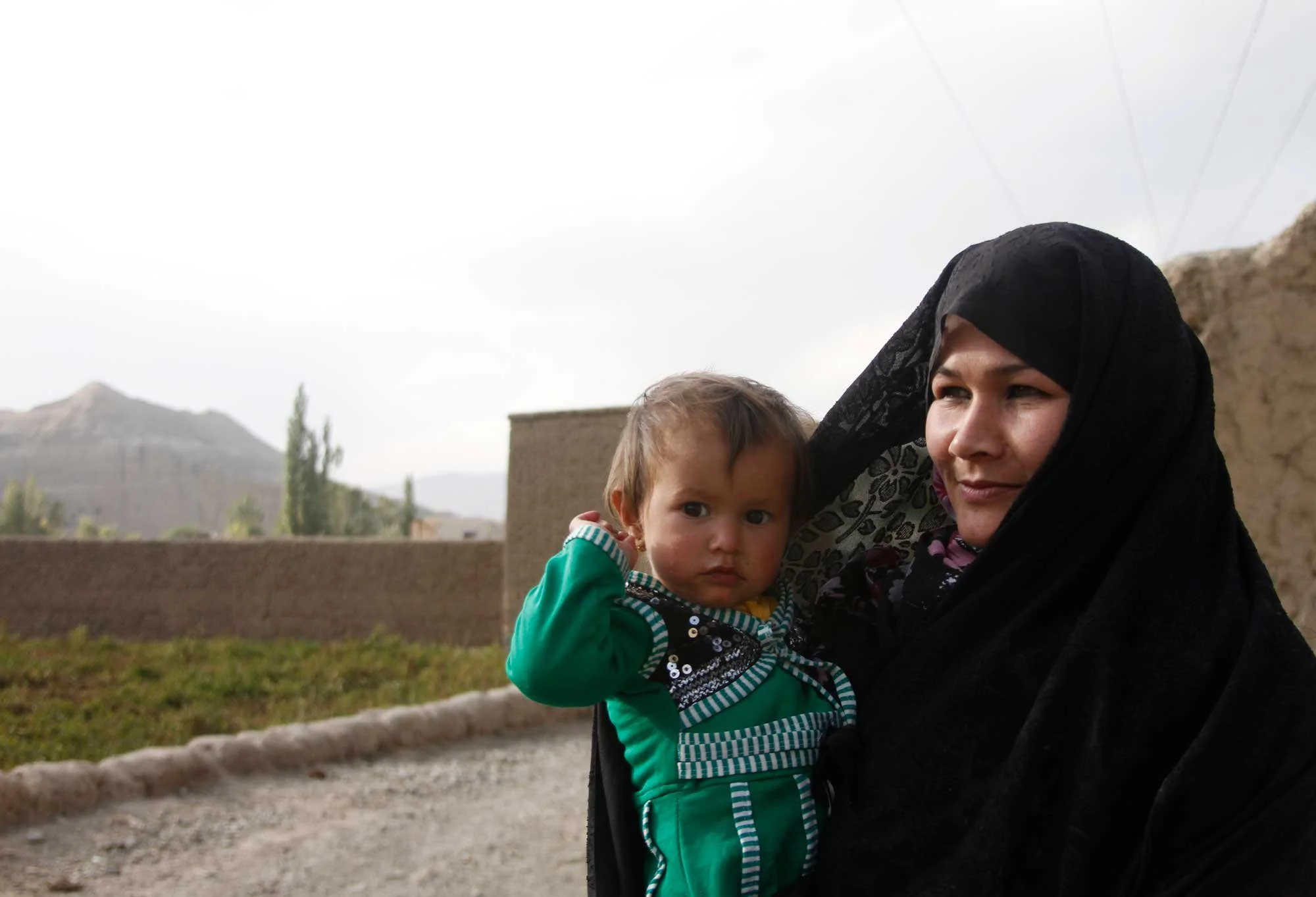
For families such as Juma Khan, displaced from Takhar Province and living in an informal camp in Kabul, the food assistance provided immediate relief during a period of extreme uncertainty. The aid supported basic nutrition needs at a time when income opportunities were scarce and access to services was limited.
For Malika Faryabi, a displaced widow and representative for women in her camp, the support provided reassurance that her family’s immediate food needs could be met while longer-term solutions remained uncertain.
While humanitarian in nature, the intervention reflected a deeper commitment to dignity, safety and community trust. Aid was delivered not as a one-off transaction, but as part of a broader effort to support stability, protect vulnerable people and avoid exacerbating existing risks.
ReliefAid continues to support children in Bamyan through its Wings2Learn programme, building on the relationships and trust established during the emergency response.
Why it worked
The response succeeded because Prime Consulting treated humanitarian delivery as both a technical and relational challenge.
Strong local presence, disciplined risk management and the ability to mobilise quickly without bureaucracy allowed support to reach those in need when it mattered most. The use of local teams ensured cultural understanding, faster access and reduced exposure, while clear governance and security protocols maintained safety throughout delivery.
This combination of agility, care and operational discipline enabled effective action in one of the most complex humanitarian environments in the world.
Impact at a glance
Emergency food kits delivered to displaced families in Bamyan Province and Kabul
Four to six weeks of food support provided per household
Local teams mobilised rapidly during peak insecurity
Structured and secure distribution managed with community leaders
Zero security incidents during delivery
Support delivered during one of Afghanistan’s most volatile periods