
Case study
Bamyan Renewable Energy Programme – Afghanistan
Sustainable renewable energy with an enduring legacy
Client: Asian Development Bank and national government partners
Region: Central Asia
Year: 2014 to 2017
Prime Consulting Role: Programme management, workforce training, operational readiness, risk management
Overview
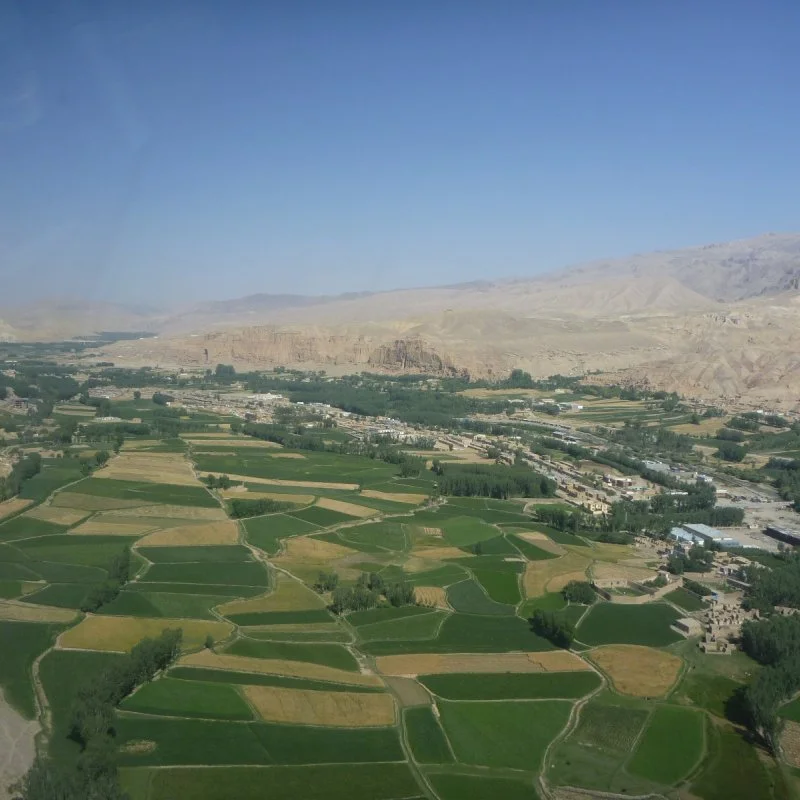
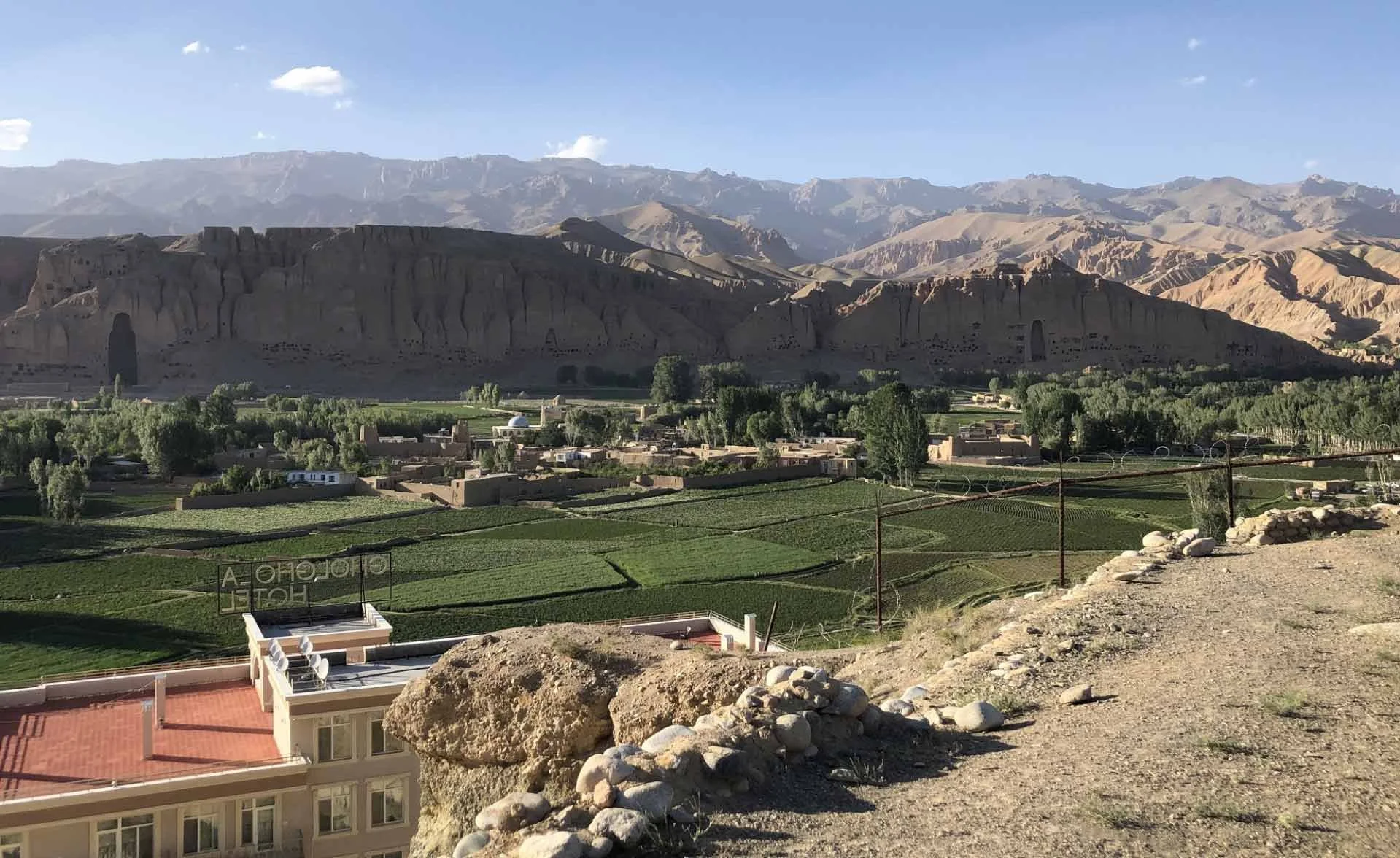
The Bamyan Renewable Energy Programme was designed to address a critical infrastructure gap in one of Afghanistan’s most challenging operating environments. Chronic power shortages were constraining economic activity, public services and household wellbeing, with communities reliant on expensive, unreliable diesel generation and limited micro-hydro systems.
Prime Consulting supported the programme with a clear focus on long-term delivery rather than short-term installation. By combining infrastructure development with strong operational systems, workforce capability and risk management, the programme delivered a reliable electricity service that continues to operate effectively more than a decade after commissioning.
The result was not only a renewable energy asset, but a locally embedded electricity provider capable of sustaining safe, affordable power in a complex and fragile context.
The challenge
Bamyan Province required a reliable and affordable electricity supply to support economic development and essential services. Existing generation systems were fragmented, expensive and prone to frequent outages, undermining confidence in supply and limiting demand growth.
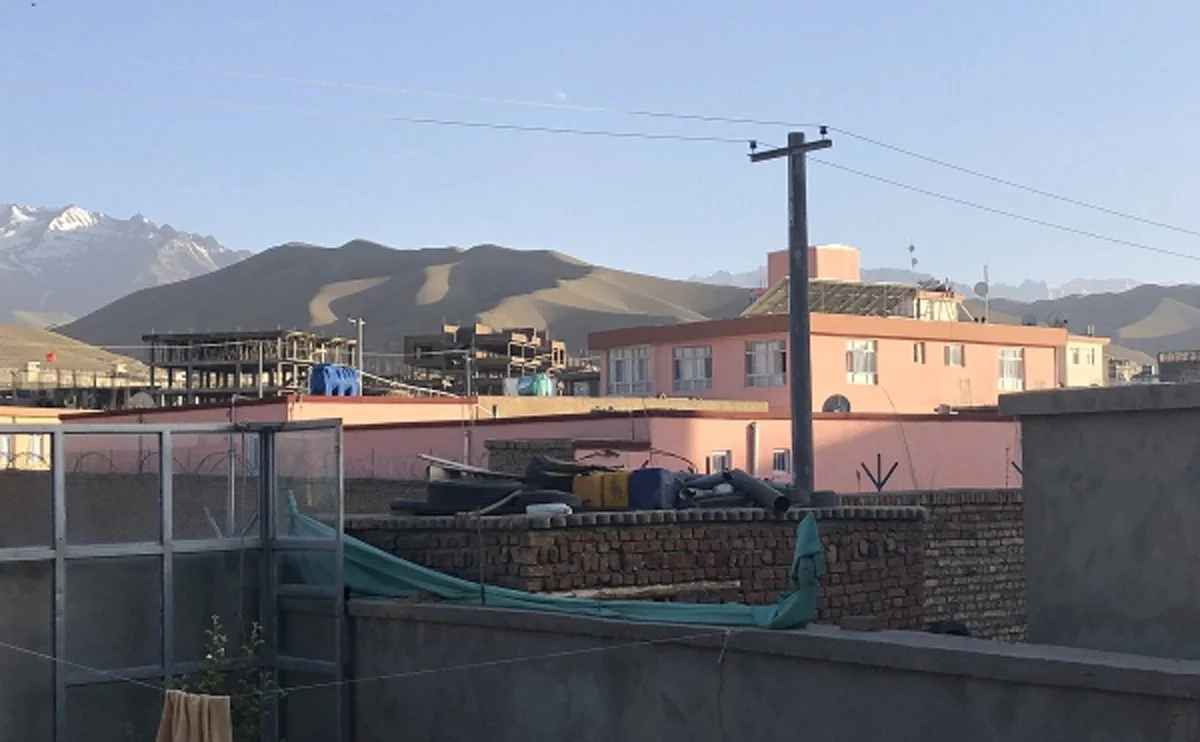
The operating environment presented multiple constraints. These included high altitude conditions, harsh winters, limited local technical capacity, challenging logistics and ongoing security risks. Without strong systems and skilled personnel, there was a significant risk that any new infrastructure would deteriorate once external support ended.
The challenge was therefore twofold: deliver renewable energy infrastructure and ensure it could be safely operated, financially sustained and locally managed over the long term.
The approach
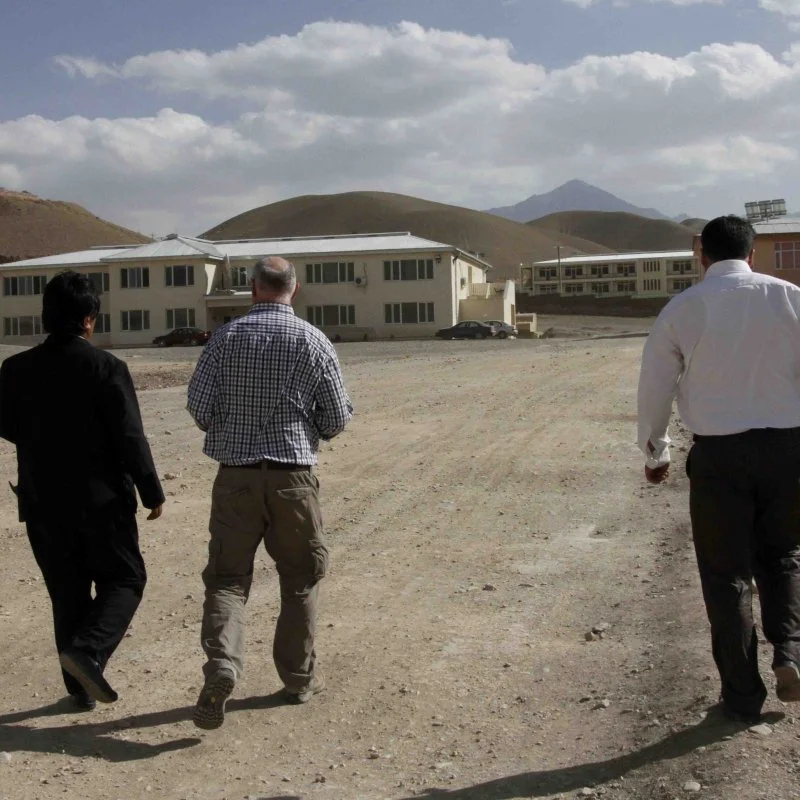
Prime Consulting worked in close partnership with New Zealand renewable energy company Infratec Renewables Ltd to deliver a blended model that combined international technical expertise with strong local leadership.
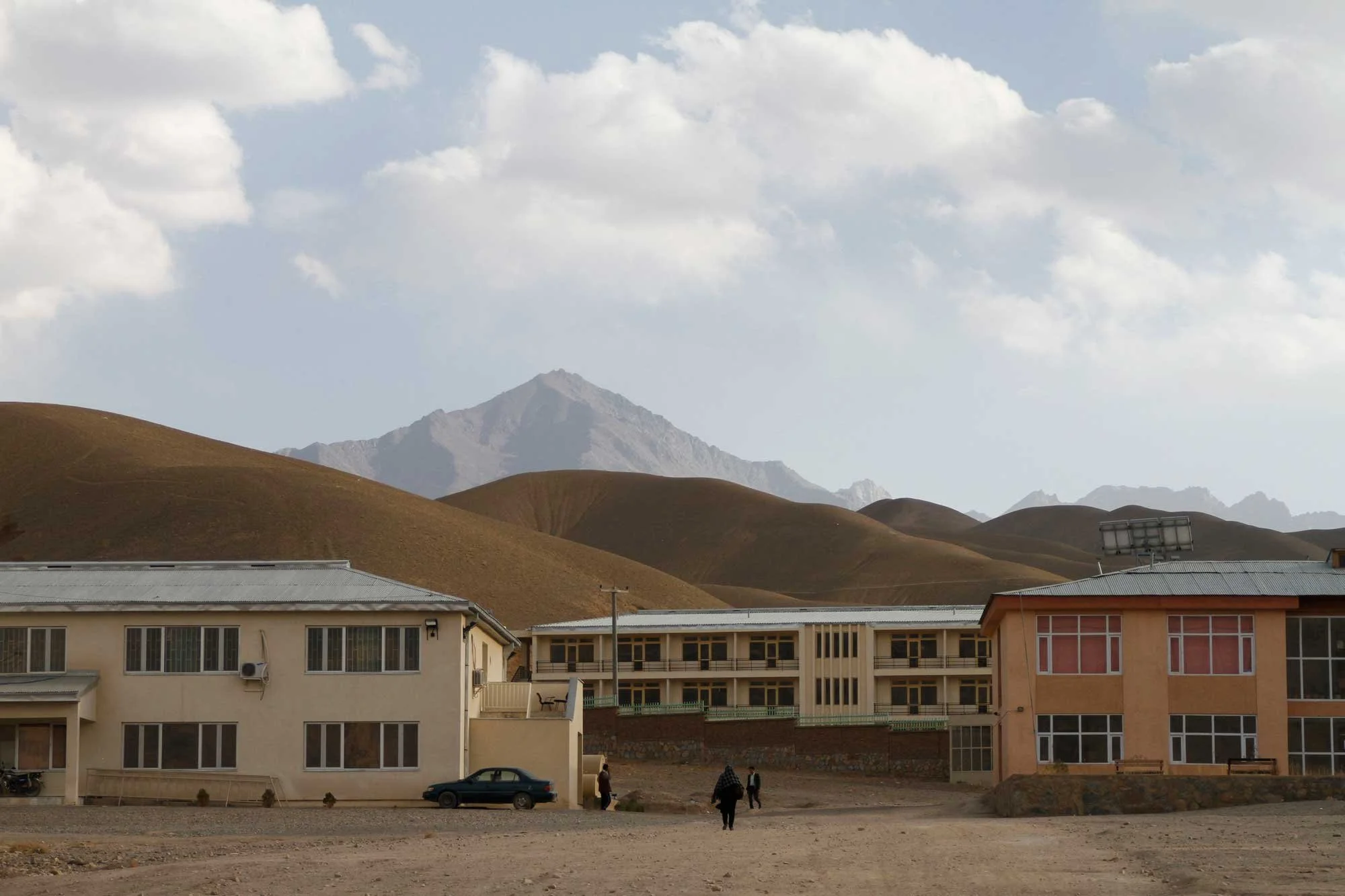
Rather than focusing solely on construction and commissioning, the programme prioritised building the foundations required for long-term success. This included strengthening governance arrangements, embedding financial and business systems, establishing customer service processes and fostering a strong safety culture within the local electricity provider.
A lean and flexible delivery model enabled rapid decision-making and adaptation as conditions evolved. Continuous on-the-ground engagement in Bamyan allowed risks to be identified early, logistics to be managed effectively and trusted relationships to be maintained with staff, stakeholders and the wider community.
Delivery and outcomes
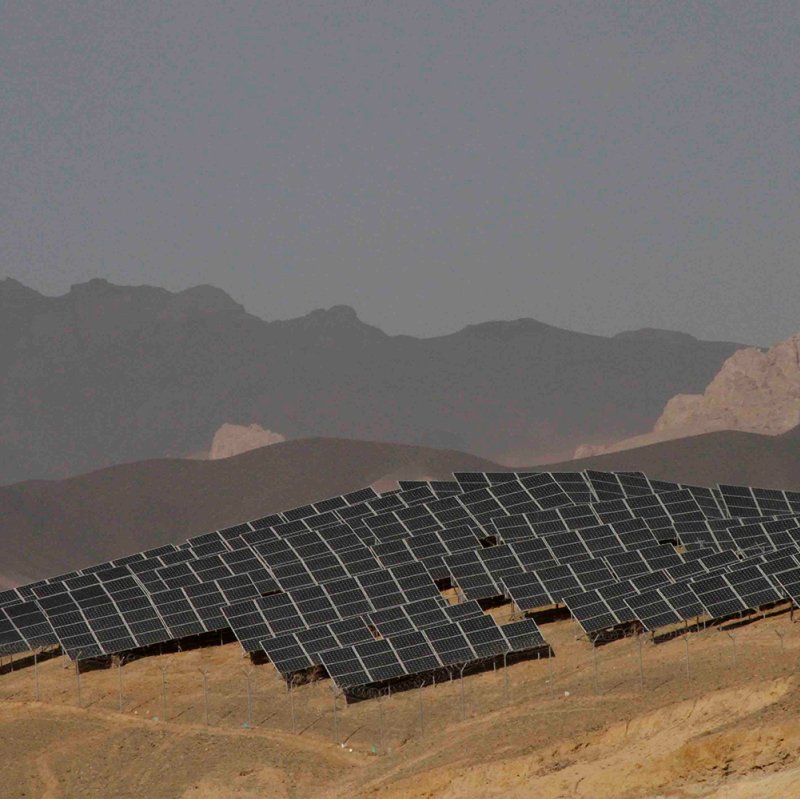
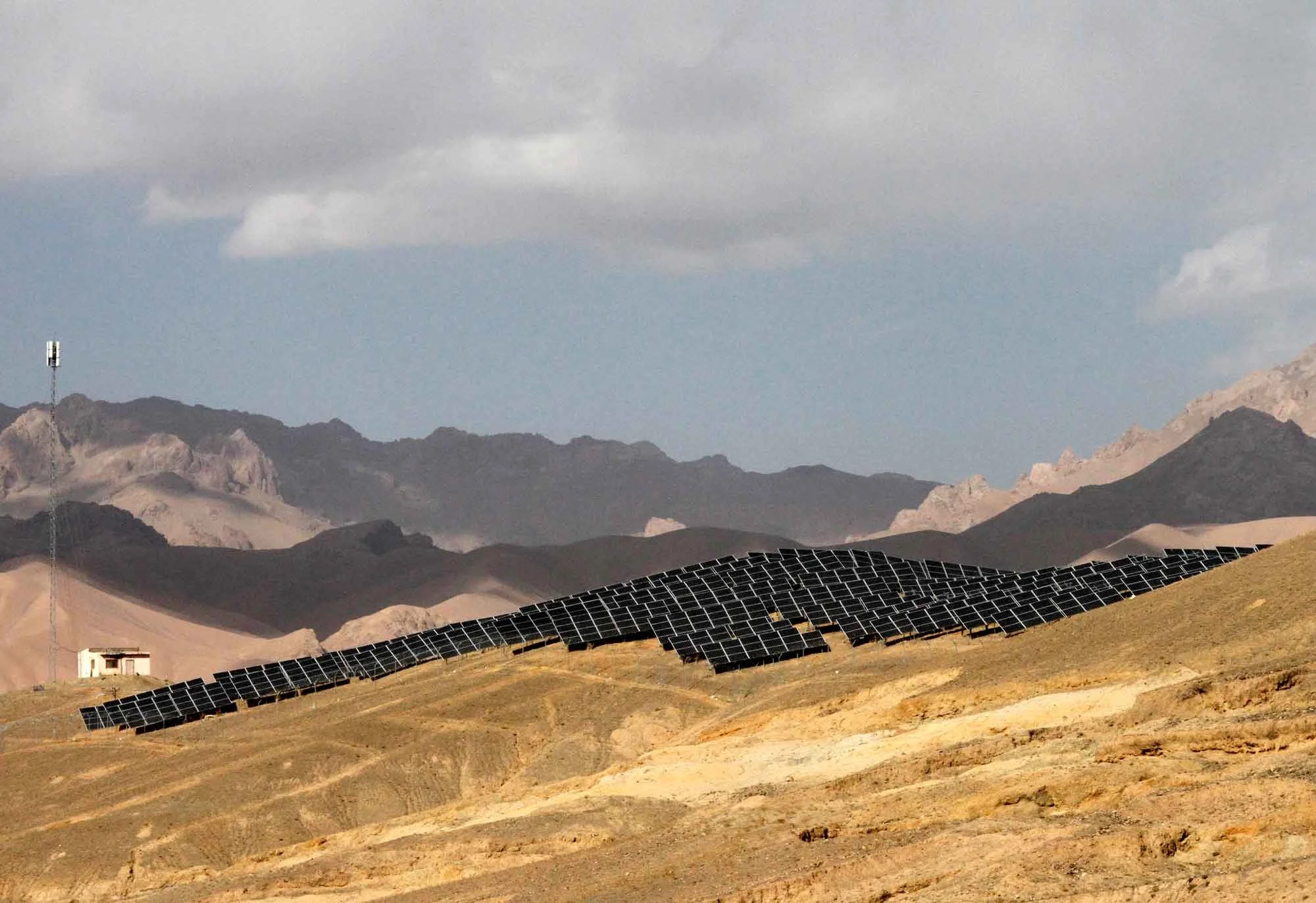
The programme successfully transitioned Bamyan from diesel-based generation to a one megawatt solar hybrid network supplying electricity across four distribution areas.
Key outcomes included:
A 127 percent increase in electricity connections, with 3,933 households and businesses connected
A 70 percent increase in business customers, reflecting growing confidence in supply
Nearly 69 percent growth in electricity sales revenue in a single year, followed by stabilised long-term growth
Operational downtime reduced to under 2 percent, exceeding regional benchmarks
Electricity consumption increasing by approximately 20 percent per year as demand and trust grew
Local operational capability improved significantly. By programme completion, staff were independently resolving 82 percent of technical issues, supported by preventive maintenance systems, regular inspections and improved fault response procedures. Administrative and financial controls were embedded to support transparent and sustainable operations.
Throughout delivery, safety remained paramount. No staff injuries or fatalities were recorded despite the challenging operating environment.
Social and economic impact
Reliable electricity delivered tangible benefits beyond the technical system itself. Businesses operated more consistently, households gained improved access to lighting, communications and education, and public facilities benefited from greater service reliability.
Approximately 70 percent of customers reported satisfaction with the service, while nearly 60 percent reported improved living conditions. Women in particular highlighted improved access to communication tools, education opportunities and home-based study.
Importantly, the system continued operating effectively long after the formal programme period ended. When the former Project Manager returned several years later, the network was still functioning well and oversubscribed due to demand.
“We navigated tough conditions, including the withdrawal of international forces. If you build it right, it will last.”
Why it worked
The programme succeeded because delivery extended well beyond infrastructure installation. Infratec Renewables Ltd led high-voltage engineering and renewable energy training, while Prime Consulting focused on operational systems, governance, safety, financial sustainability and local capability development.
This complementary approach ensured the local electricity provider was not dependent on external support. Instead, it developed the confidence, skills and systems required to manage the network independently, respond quickly to issues and maintain service quality over time.
The result was a resilient, locally managed electricity system with a lasting operational and social legacy.
Impact at a glance
1 MW solar photovoltaic capacity across four hybrid networks
27,531 people provided with reliable electricity
127 percent increase in total connections
70 percent increase in business customers
Operational downtime reduced to 1.97 percent
48 training activities delivered, exceeding original targets
82 percent of technical issues resolved locally
Zero staff injuries or fatalities